
A Complete Guide to Pairing French Reds with Brasserie Classics
Wine & PairingsLearn to pair French reds with steak frites, duck confit, roast chicken, charcuterie, and...

Use ESC to close
Guides, analysis, and thought leadership
Browse 4 articles
Start with the essentials: acidity, body, sauce, texture, and how classic brasserie dishes shape the right glass.
Designed for Boston locals, visitors, Francophiles, and wine enthusiasts who want confident, low-pressure guidance at dinner.
Our approach begins with the plate, then considers French regions, serving context, and practical ordering choices.
Learn to pair French reds with steak frites, duck confit, roast chicken, charcuterie, and...
Learn how to pair wine with mussels, frites, and seafood using acidity, salinity, sauce,...
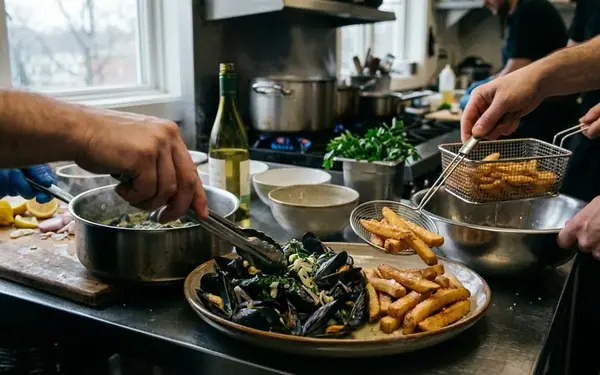
Learn how to order French wine with dinner, from regions and grapes to brasserie...
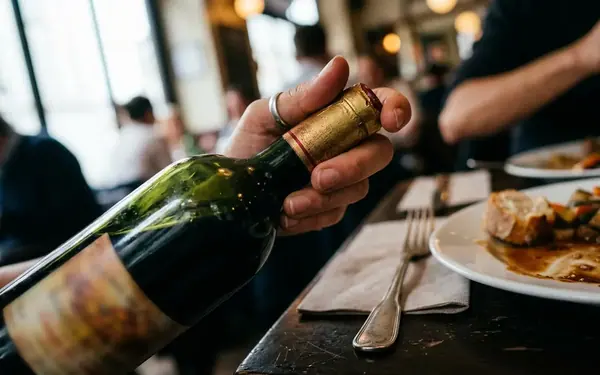
Learn how to match French wines with brasserie classics, from steak frites to mussels,...
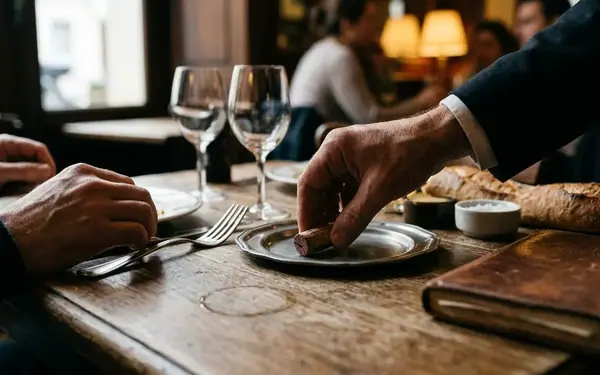
A good brasserie pairing does not begin with memorizing every French appellation. It begins with the plate in front of you: the snap of vinegar in a salade Lyonnaise, the butter and shallot in moules marinières, the browned edge of steak frites, the slow sweetness of onion soup under its cap of cheese. Acidity cleans up richness. Body should meet body. Earthy wines feel natural beside mushrooms, lentils, and seared beef, while mineral whites can make shellfish taste brighter without crowding the table.
On a Boston wine list, the most useful move is often the simplest one. Look past the unfamiliar village names and read for style: crisp Loire whites, generous Rhône reds, lively Burgundy, dry Alsace bottles, or Champagne when salt, cream, and celebration share the table. Price can suggest rarity, but it does not promise harmony. At your next brasserie dinner, choose the dish first, name its richest element, and ask for one French glass with enough acidity to refresh the next bite.