What Should You Order When the Wine List Turns French?
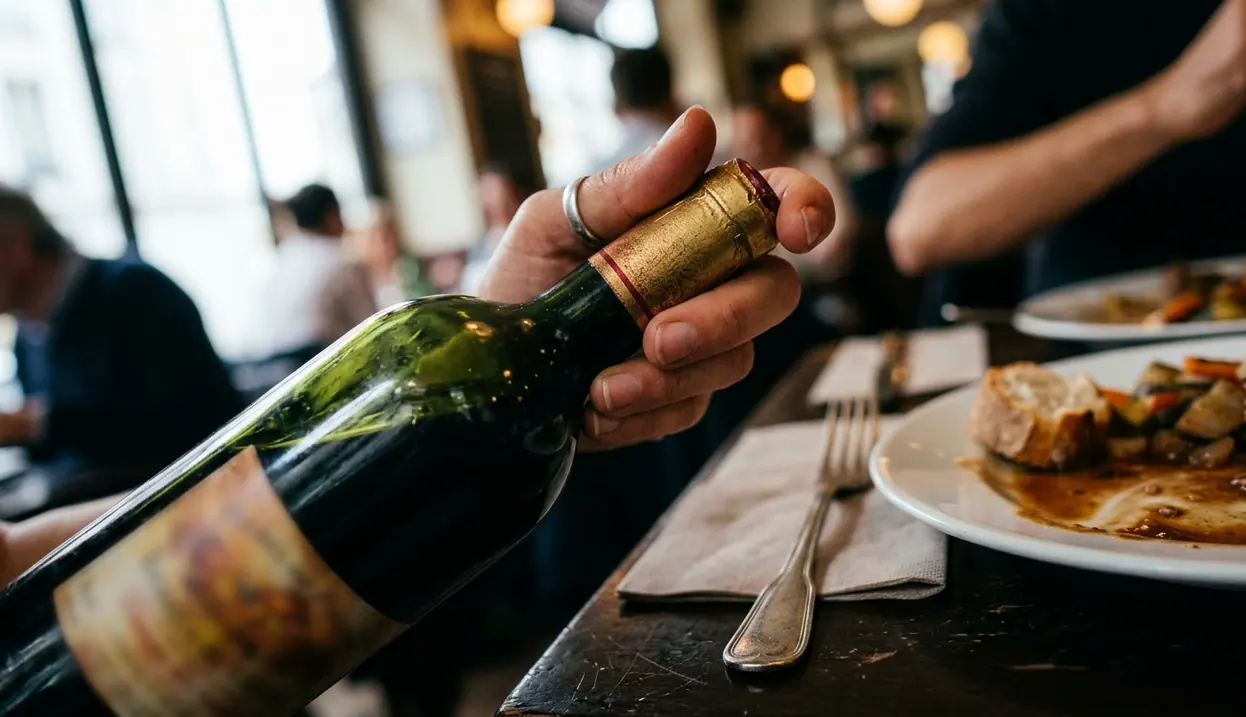
Navigating a big beverage program takes a structural approach rather than rote memorization. Wine lists at traditional French-style dining rooms often feature 150 to 300 bottles. Menus are typically organized strictly by AOC (Appellation d'Origine Contrôlée) rather than grape varietal. This geographic classification system leaves American diners searching in vain for familiar terms like Chardonnay or Cabernet Sauvignon.
The tension at the table usually peaks right after the menus are handed out. The solution lies in choosing by meal progression, sensory mood, and a defined price range. Watching Back Bay dining habits over the years, diners who give up trying to memorize encyclopedic wine knowledge in favor of practical regional cues tend to report much higher satisfaction with their dinner pairings.
Start with the Plate, Not the Prestige
A standard raw bar service takes 12 to 18 minutes from order to table. This tight operational window calls for a wine decision that can be executed quickly by the sommelier to match the kitchen's pacing. Begin the selection process with the dish in front of you: seafood, poultry, pork, beef, duck, mushrooms, cream sauces, vinaigrette, or cheese.
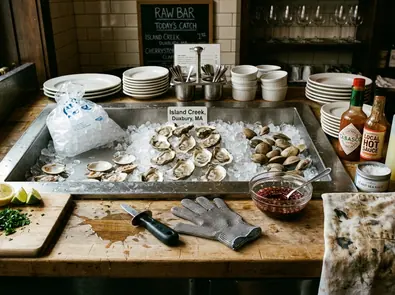
The brasserie pairing logic relies on matching the weight and texture of the food. Light and saline wines suit oysters and shellfish. Fresh whites cut through the fat of goat cheese or the acid of salads. Medium reds complement roast chicken, while structured reds align with the richness of steak frites or duck. Prestige names fail to deliver value when they overpower the food. Ordering a highly tannic young Bordeaux with delicate sole meunière, resulting in a metallic, overpowering clash on the palate.
Critical Insight: The most expensive bottle on the list will ruin a meal if its structural components fight the primary ingredients on the plate.
Decode French Regions Without Memorizing a Map
French wine is commonly labeled by place of origin, a system governed by the Institut national de l'origine et de la qualité. Translating these regional designations into flavor profiles gives you a functional shortcut for dense menus.
Burgundy often signals Pinot Noir or Chardonnay. Bordeaux points to structured Cabernet Sauvignon and Merlot blends. The Rhône Valley indicates Syrah or Grenache-based reds. Loire Valley offers crisp whites, Cabernet Franc, or Chenin Blanc. Vintage variation plays a significant role in these regional profiles. The 2021 and 2022 vintages from the Loire Valley produced Chenin Blancs with elevated acidity. Those recent vintages are highly reliable for cutting through heavy cream sauces.
Use Three Words: Body, Acidity, and Tannin
Drawn from watching high-volume dinner services, the vocabulary of wine can be distilled into three physical sensations. Body refers to the wine's weight on the palate—light, medium, or full, which must scale with dishes ranging from sole meunière to beef bourguignon.
Acidity provides brightness or lift. It acts as a palate cleanser, essential for managing butter, cream, fried foods, and seafood. Tannin delivers the drying structure found mostly in red wines. Red wines with maceration periods running past 14 to 21 days typically extract higher tannin. These tannins bind effectively to the proteins in a standard 12-ounce steak frites, softening the wine while enhancing the meat.
Context dictates how these elements are perceived. A Sancerre's perceived acidity will taste sharply refreshing alongside a vinaigrette-dressed salad but may seem overly tart if sipped immediately after a rich, sweet dessert.
Reliable Orders for Common Brasserie Dinners
Organizing a beverage strategy by dish yields a proven baseline for restaurant ordering. Request a Muscadet or Chablis-style white for oysters or raw bar selections. Select a Sancerre or other Loire Sauvignon Blanc for goat cheese and greens. Choose Beaujolais or red Burgundy for roast chicken.
Serving temperatures for these reliable lighter reds should hover between 58°F and 62°F. This range keeps the alcohol from masking the fruit notes when paired with roast chicken. For heavier proteins, northern Rhône or Bordeaux-style reds suit steak. Chenin Blanc or Champagne-style sparkling wine handles rich mushroom dishes or complex sauces. These categories represent beginner-friendly patterns rather than universal rules for every producer.
Recommendation: Specify a category rather than an exact bottle. This allows the staff to suggest the best currently drinking vintage within that style.
How to Read Price Without Feeling Cornered
Setting a firm, numerical budget with the server takes the anxiety out of upselling. Standard restaurant markups run roughly 2.5 to 3 times the wholesale cost. A bottle priced between $65 and $85 often hits the sweet spot for quality-to-value ratio on a brasserie list.
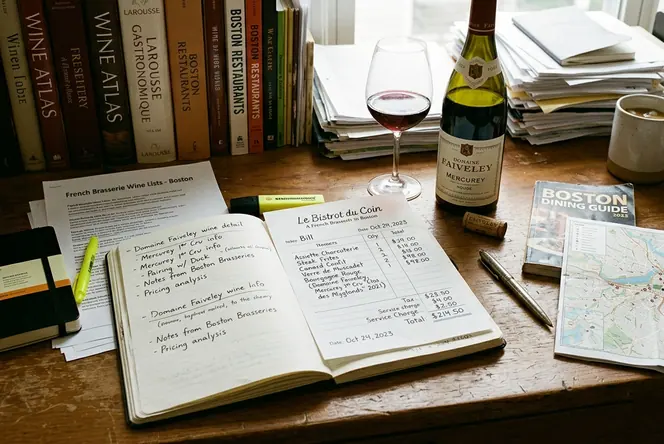
By-the-glass options let diners compare styles, accommodate solo dining, or start with sparkling wine before moving to a red. But the mathematics of glass pours shift quickly over a long meal.
Risk Factor: Ordering by the glass becomes cost-inefficient if a single diner plans to consume more than two 5-ounce pours during a 90-minute meal service.
The Easiest Way to Talk to the Server
A typical table-side wine consultation lasts 60 to 90 seconds. Concise, three-part requests work well for busy floor staff managing multiple tables. A modular script combining the dish, style preference, and price range standardizes the interaction and removes the intimidation of pronouncing French estates.
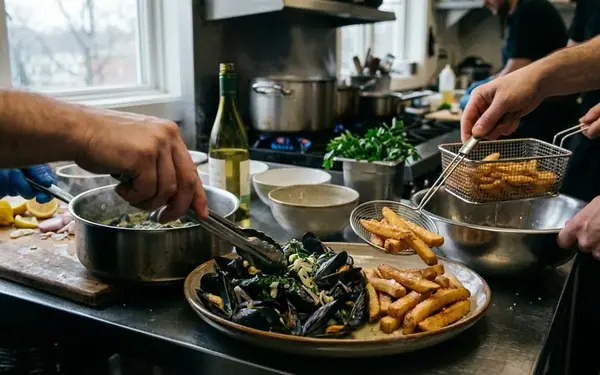
State the order clearly: "We are sharing mussels and roast chicken; we would like something white or light red, crisp, and under our budget of eighty dollars." Useful preference words to deploy include crisp, mineral, fruity, earthy, dry, light, fuller, soft, and structured. This phrasing gives the sommelier exact parameters to work within.
Beginner Mistakes That Make French Wine Harder
Diners frequently choose only by familiar grape names, ignoring the regional clues that indicate how the wine was actually made. Another common error involves assuming older wine is always better. Age can add complexity, but it can also reduce freshness depending on the wine type and how it was kept.
Storing wines upright in dining room displays for 4 to 6 months can dry out corks. Older vintages require careful assessment upon opening due to this common storage practice. Finally, pairing heavy reds with everything on the table overwhelms delicate seafood, salads, and cream dishes, flattening the culinary experience.
Copy This Dinner Order
Execute this exact sequence for a standard three-course brasserie pacing. Begin by ordering two 4-ounce pours of Crémant de Loire immediately upon sitting down. Pair this sparkling wine with a shared dozen oysters. For the main courses—one roast chicken and one duck confit, request a 750ml bottle of Cru Beaujolais, specifically a Morgon or Fleurie, priced around $75. Transitioning from a 4-ounce pour of sparkling wine to a shared 750ml bottle of medium-bodied red covers a standard 2-to-2.5-hour dinner service for two guests. This progression balances the acidity needed for the appetizers with the structured fruit required for the poultry, keeping the total beverage cost predictable and the pairings precise.


Your Comment