
Table of Contents
- The Stakes: A Memorable Evening or an Expensive Zigzag
- Read Newbury Street by Mood, Not Just Address
- Choose One Anchor: Brasserie Dinner, Wine Bar, or Café Table
- A Better Sequence: Aperitif, Main Stop, Sweet Finish
- Wine Pairing Logic for a Brasserie-Style Walk
- Timing Details That Decide the Evening
- Three Ways to Walk It, Depending on Your Night
- Build Your Newbury Street Walk Tonight
The Stakes: A Memorable Evening or an Expensive Zigzag
Newbury Street rewards people who move slowly.
That sounds simple until dinner pressure enters the evening. A straight walk along the eight-block commercial stretch from Arlington Street to Massachusetts Avenue takes roughly 20 to 30 minutes without stopping. Add a missed reservation, a packed patio, or a dessert idea on the wrong end of the street, and the same night can collect 15 to 20 minutes of unnecessary backtracking before the first proper glass of wine lands on the table.
I would not treat Newbury Street as a ranked restaurant list. A better Back Bay dining walk asks four practical questions: What should come first? How hungry should you stay? Where should the atmosphere peak? How much clock time can the evening absorb?
The French brasserie lens helps because it gives the walk a natural order: aperitif, shared plate, main course, wine, dessert, then a final stroll. Newbury Street has enough retail texture, brownstone charm, and dining density to support that rhythm if the route stays disciplined.
Critical Insight: The best Newbury Street plan usually has one fixed point and two loose ones. Anchor the meal, then let the beginning and ending breathe.
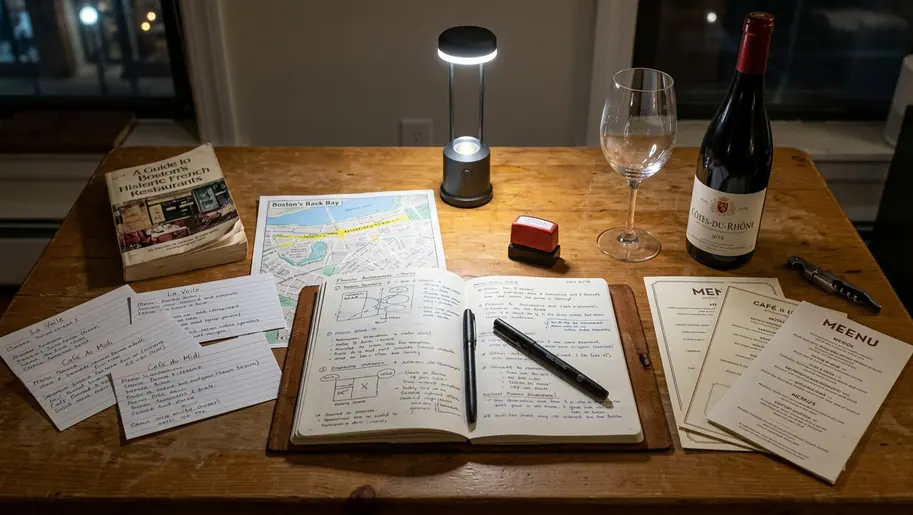
Read Newbury Street by Mood, Not Just Address
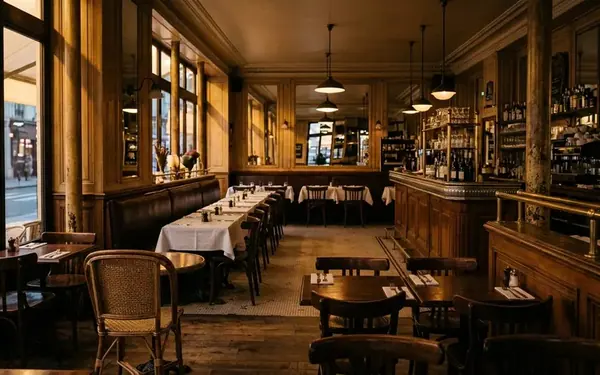
The street changes underfoot. Near the Public Garden side, the pace feels more composed: brownstone entries, polished windows, café pauses, and tables that make more sense for conversation than spectacle. Farther along, the retail rhythm gets busier before the dining clusters tighten again.
The shift from a busy retail feel to a quieter, residential dining mood changes noticeably depending on whether you are east or west of Dartmouth Street.
Think in blocks, not pins on a map. Sidewalk patio permits often limit outdoor seating to a compact frontage, so a place that looks open from across the street may have only a small number of exterior seats. The shift between retail-heavy blocks and dining-heavy blocks can happen within a 3 to 4 minute walk, which matters when one person wants a slow brasserie dinner and another wants to keep browsing.
The rhythm that usually works
- Start light: one aperitif, sparkling water, or a shared bite.
- Build toward the anchor: let the seated meal carry the evening.
- Leave room: coffee, pastry, wine, or a quiet walk can finish the night without strain.
These timings assume a small party moving at a normal pedestrian pace, not a group stopping for photos, shopping bags, or rideshare detours. That qualification matters on Newbury Street because friction rarely announces itself; it appears as a five-minute hesitation at a corner.
Choose One Anchor: Brasserie Dinner, Wine Bar, or Café Table
The anchor is the one commitment that shapes everything else. It may be a reservation, a known kitchen closing time, or a table where you intend to sit long enough for the evening to settle.
For a French brasserie-minded night, choose the anchor around dishes that benefit from proper seating: steak frites, mussels, roast chicken, onion soup, composed salads, or a cheese course. A brasserie dinner for two commonly runs about an hour and a half to two hours. A cheese course or composed salad can add another 15 to 20 minutes, which is pleasant when planned and irritating when squeezed between two other stops.
When a lighter anchor makes more sense
A visitor with shopping plans may not want a full dinner format at 6:30. A theater-bound diner may need clean timing more than culinary range. A late arrival may enjoy wine and small plates more than a main course ordered in haste.
Cost also enters quietly. A full brasserie meal concentrates spending in one place, but it tends to deliver the most coherent value when the kitchen, wine, and pacing align. A lighter anchor spreads the budget across the evening, though it can make the night feel scattered if every stop requires a new wait.
Recommendation: If the dish you most want is hot, sauced, or steak-focused, make that restaurant the anchor. If the night is more about conversation and movement, anchor with wine and small plates.
A Better Sequence: Aperitif, Main Stop, Sweet Finish
The cleanest Newbury Street dining walk has three parts.
- Aperitif: begin with one glass, sparkling water, or a small shared plate.
- Main stop: sit down for the brasserie-style meal and give it the most time.
- Sweet finish: close with coffee, pastry, or a slow walk toward the Public Garden side of Back Bay.
The first stop should stay modest. A typical aperitif service can take 25 to 35 minutes from seating to check settlement, and that is before anyone debates a second round. If the anchor reservation sits only 5 to 8 minutes away on foot, the evening feels connected rather than rushed.
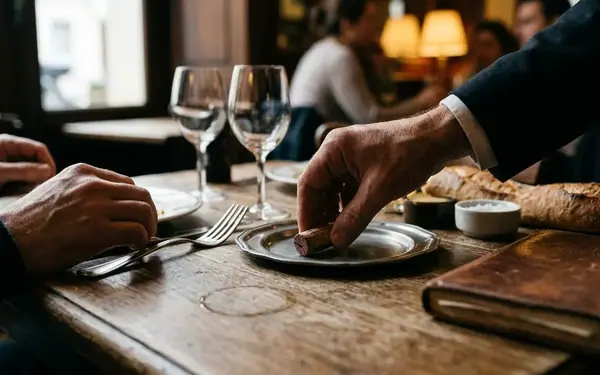
The main stop is the emotional center of the route. This is where the linen, the sauce, the glassware, the fries, the broth, or the roast chicken skin should get real attention. Let the meal occupy the middle of the night instead of treating it as one more errand.
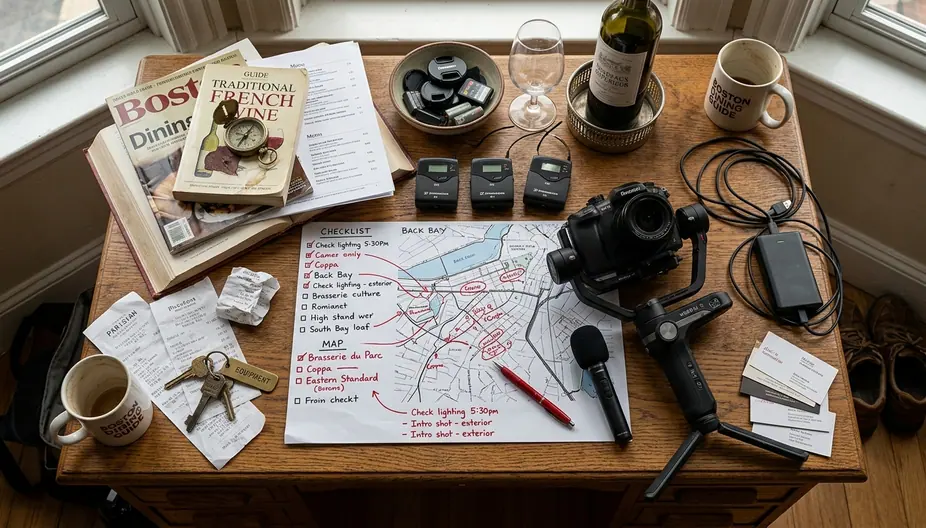
Wine Pairing Logic for a Brasserie-Style Walk
Pair by weight, sauce, and salt. That rule outperforms memorized regional pairings for most Newbury Street nights.
Bright whites or sparkling wines fit oysters, salads, and lighter starters because acid keeps the first part of the meal lively. Medium-bodied reds make sense with steak frites or roast poultry, especially when the plate has jus, herbs, or crisp potatoes. Richer whites can work beautifully with cream sauces or mussels, where texture matters as much as flavor.
By-the-glass pours in Back Bay restaurants typically run 5 to 6 ounces. Over a 90-minute meal, two distinct by-the-glass pairings can give the dinner more range without turning the walk into a tasting marathon.
A practical ordering sequence
- Start with sparkling wine or a bright white if the first plate is salty, chilled, or citrus-led.
- Move to a medium-bodied red when the anchor dish brings beef, roast poultry, mushrooms, or browned butter.
- Choose a richer white when cream, mussels, or a soft cheese course carries the table.
French brasserie culture is not rigid. It rewards proportion. The glass should make the next bite sharper, deeper, or calmer; if it does none of those, choose something simpler.
Timing Details That Decide the Evening
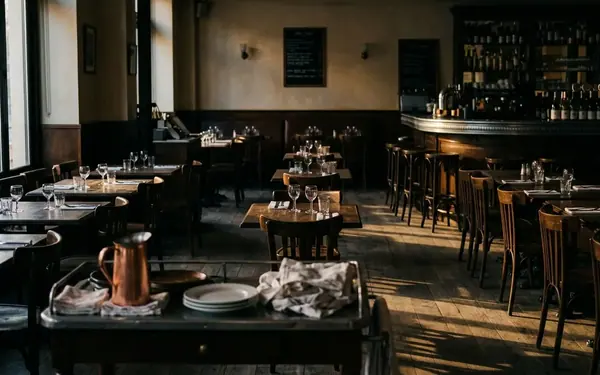
Arrival time changes the whole walk. Early evening supports relaxed pacing, lighter crowds, and a gentler transition from shopping to dinner. Peak dinner hours demand firmer planning, especially from 6:30 PM to 7:45 PM during the autumn dining season, when desirable reservations may book two or three weeks ahead.
Weather deserves the same respect as the menu. Newbury Street patios can feel cinematic on a dry September evening and exposed during rain, wind, summer heat, or winter cold. Sudden weather shifts can cut a restaurant’s total seating capacity by roughly a third when patios close, which turns casual patio hopes into real competition for indoor tables.
Risk Factor: Attempting to secure walk-in seating for a party of four at a popular brasserie during the 7:00 PM rush without a backup plan is the fastest way to turn a food walk into a sidewalk meeting.
Do not stack too many bookings. Two reservations and a dessert deadline may look efficient on a phone screen, but they make the night brittle. The pleasure of Back Bay & Newbury Street dining comes from controlled looseness: one committed table, one light beginning, one flexible ending.
One catch matters in October. Relying on walk-in patio availability becomes highly risky during the peak foliage weeks of mid-to-late October, when pedestrian traffic rises sharply and the street absorbs visitors who are not necessarily planning dinner in advance.
Three Ways to Walk It, Depending on Your Night
Different dining occasions need different pressure levels. A visitor, a Francophile, and a local regular may all want Newbury Street, but they should not walk it the same way.
The visitor-friendly route
Start with a scenic Back Bay stroll from the Public Garden side, keeping the first stop visual and easy. Choose a recognizable brasserie-style dinner as the anchor: something with steak frites, onion soup, mussels, or roast chicken on the table. Finish with coffee or dessert in the direction of the hotel, Green Line stop, or rideshare pickup.
This route values clarity. It should minimize crossings, reduce indecision, and leave the visitor with a clean sense of place.
The Francophile route
Prioritize apéritif culture first. The opening drink should feel like an invitation into the evening, not a pre-dinner holding pen. From there, move toward classic French textures: butter, vinaigrette, broth, crisp potatoes, warm bread, and a wine list that treats service as part of the meal.
This version needs the slowest table. It may include a cheese course, a composed salad, or a second glass chosen after the main dish arrives.
The casual local route
Keep it tight. The casual local route works best across a maximum of three blocks, with total transit time between venues held under about 8 to 12 minutes. Start with a snack, share one entrée, then finish with a final glass or pastry.
No ceremony required.
Critical Insight: The local route succeeds because it refuses to perform the full dinner script. It uses Newbury Street as a neighborhood corridor, not a checklist.
Build Your Newbury Street Walk Tonight
Pick the anchor stop first.
That single decision removes most of the noise. Choose the meal style: brasserie dinner, wine bar, or café table. Confirm the reservation or current hours, especially if the target time sits near peak dinner service. Then add one light stop before and one flexible stop after.
Mapping a two-block radius around the anchor usually turns up four to seven viable secondary venues for a pre-dinner drink, coffee, pastry, or nightcap. Lock in the anchor reservation two or three days before the evening if the date matters.
- Choose the anchor restaurant.
- Map the two nearest blocks on either side.
- Leave for Back Bay with only three planned stops.


Your Comment