
Twelve Dishes That Explain the Brasserie Table
Twelve dishes can tell you almost everything you need to know about a French brasserie menu. A standard brasserie menu usually runs to somewhere between 25 and 40 savory items, requiring diners to navigate between heavy cream-based sauces and lighter vinaigrettes. A typical brasserie meal tends to unfold across a couple of hours. Success at the table relies on understanding how these elements interact. This guide approaches the menu as a practical framework for ordering, focusing on sauce weight, kitchen pacing, and portion size rather than attempting a historical survey of French cuisine.
How These Dishes Earned Their Place
Selecting the right dishes requires filtering for recognizable presence, clear technique, and pairing usefulness. A definitive brasserie canon demands items that offer practical ordering value — a season of eating through more than a dozen French-leaning spots around Boston bore that out. While UNESCO’s entry on the gastronomic meal of the French outlines the cultural weight of formal dining, a brasserie operates differently. The atmosphere remains energetic and all-day, providing a structured meal that feels more substantial than a casual café but less rigid than haute cuisine.
The Foundation Dishes
1. Steak Frites: The Brasserie Baseline
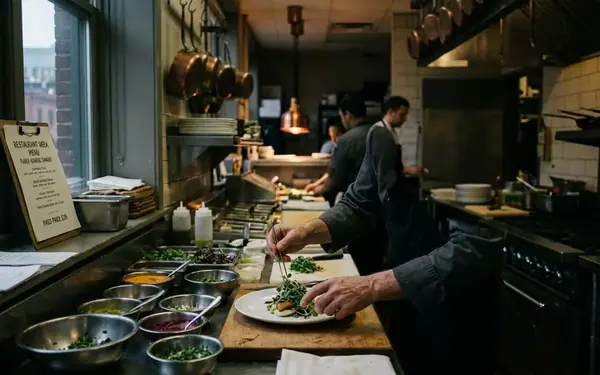
This plate tests the fundamental timing of the kitchen. A standard 8-ounce steak frites cut needs to rest for five or six minutes before plating to prevent juices from breaking the béarnaise sauce. The execution reveals the brigade's coordination. Crisp, properly salted potatoes must arrive simultaneously with meat cooked to the exact requested temperature. Variations often include peppercorn or maître d’hôtel butter, but the core requirement remains precise heat management.
2. Soupe à l’Oignon: The Test of Patience
Proper Soupe à l'Oignon requires caramelizing onions for the better part of an hour until they reduce to a deep mahogany paste. The appeal lies in the contrast between the deeply cooked alliums, the deep broth, the submerged bread, and the bubbling Gruyère cheese. A kitchen's restraint becomes obvious here. Optimal salt levels and natural sweetness from the onions indicate a kitchen that respects the process rather than rushing the reduction.
3. Escargots: Garlic Butter as Ritual
First-timers often view this starter as a novelty, but it functions primarily as a vehicle for texture and sauce. The snails provide a tender bite against the rich, herbaceous garlic butter. Diners should use the accompanying bread to absorb the remaining sauce in the dish, treating the butter as the central component rather than an afterthought.
Seafood, Salads, and Lighter Brasserie Rituals
4. Moules Frites: The Communal Pot
9. Duck Confit: Crisp Skin, Tender Meat
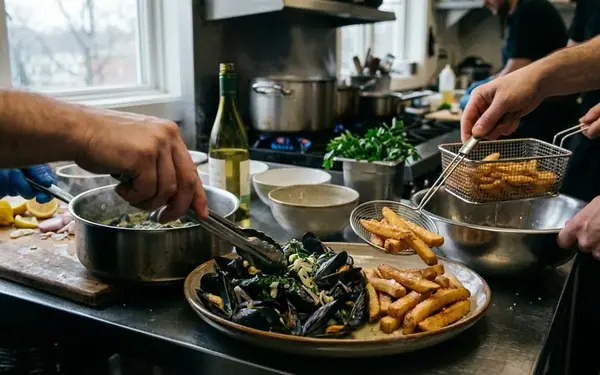
Brasserie mussels are typically steamed in three or four minutes at high heat to prevent rubbery textures. The broth styles range from white wine and shallot to garlic and fresh herbs. Boston diners, already familiar with coastal seafood traditions, will recognize the communal nature of sharing a steaming pot and using the accompanying fries to capture the aromatic liquid at the bottom.
5. Salade Niçoise: A Composed Plate, Not an Afterthought
A proper Niçoise requires deliberate composition. The arrangement of tuna, hard-boiled egg, olives, green beans, and potatoes relies on a sharp vinaigrette to bind the elements. Diners will notice context-dependent variation: Salade Niçoise ingredients shifting based on late-summer versus winter produce availability. The dish serves as a necessary acidic counterpoint on a menu dominated by butter.
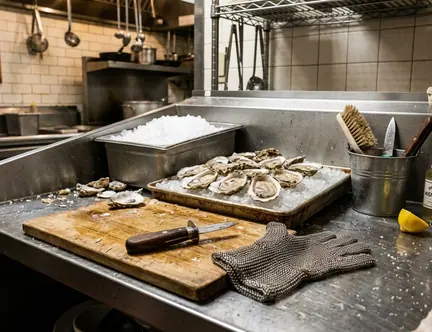
6. Oysters and Fruits de Mer: Brasserie Theater on Ice
Raw bar stations must hold oysters just above freezing during service to ensure safe, crisp delivery. The presentation offers immediate visual theater. Freshness, precise temperature control, a sharp mignonette, and confident service matter far more than elaborate garnishes.
Slow-Cooked Comforts and Sauce-Driven Plates
7. Coq au Vin: Wine, Time, and Restraint
This braised chicken dish relies on a wine-dark sauce, earthy mushrooms, pearl onions, and bacon-like lardons to build depth. Execution varies significantly by kitchen, with the best versions achieving a glossy, reduced liquid that coats the meat without feeling heavy.
8. Boeuf Bourguignon: The Braise That Rewards Cold Weather
Tender beef, a glossy sauce, and root vegetables define this winter staple. The dish suits cold-weather dining, offering concentrated savory notes.
Risk Factor: Ordering heavy braises like Boeuf Bourguignon alongside a rich starter like pâté often overwhelms the palate partway through, making it difficult to finish the main course without a highly acidic wine or bitter greens to cut the fat.
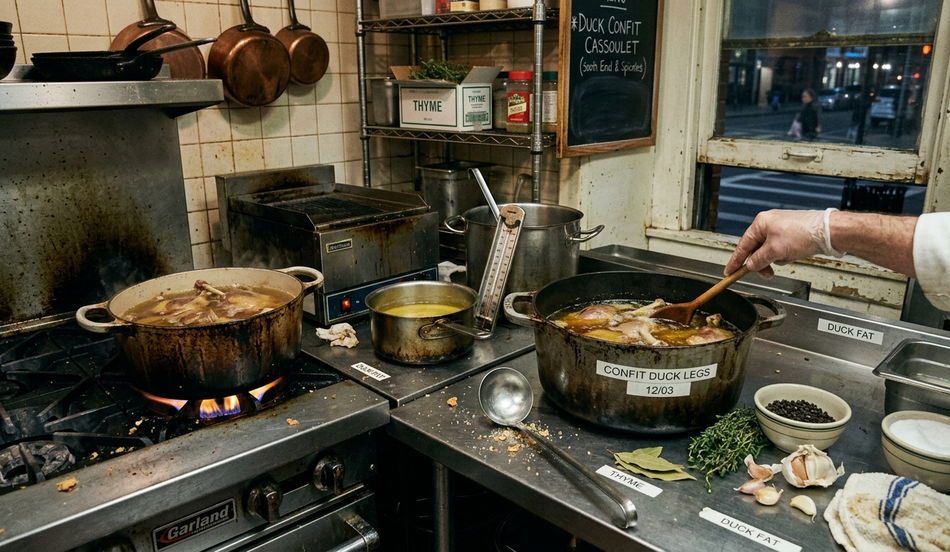
Traditional duck confit involves a day or two of dry curing with salt and thyme before a slow poach in rendered fat. The fat-poaching process for confit happens at a low, steady heat to break down connective tissue without frying the meat. Diners should look for shattering skin, balanced salt, and the inclusion of bitter greens or roasted potatoes to ground the richness.
Desserts That Finish the Meal Properly
10. Crème Brûlée: The Spoon Test
The contrast between a brittle caramel shell and cool vanilla custard defines this dessert. Crème brûlée custard must bake gently at a low oven temperature. Following the bake, the custard needs several hours of chilling to ensure the torched sugar crust shatters. Rushing this step leads to a common failure case: the crème brûlée crust sinking into under-chilled custard.
11. Tarte Tatin: Apples, Caramel, and Confidence
Dark caramelized fruit and warm pastry make this inverted apple tart a compelling finish. The dessert pairs effectively with coffee, a Calvados-style apple brandy, or a Sauternes-style dessert wine. If the preceding courses were exceptionally rich, skipping the pairing and enjoying the tart on its own remains a valid choice.
How to Build a Brasserie Order Without Overdoing It
A well-paced three-course brasserie order spaces the arrival of the starter, main, and dessert across an hour and a half or so. Standard wine pours for these pairings run around five or six ounces per glass.
Recommendation: When structuring sample order paths, map out flavor progressions based on standard kitchen pacing, ensuring that no single path doubles up on heavy butter reductions or requires the hot line to fire every dish simultaneously.
Consider three distinct approaches to the menu. The first-time classic path begins with pâté or onion soup, moves to steak frites, and concludes with crème brûlée. A seafood-forward approach starts with oysters, transitions to moules frites, and finishes with tarte Tatin or a simple espresso. For cold-weather comfort, a bitter green salad followed by duck confit provides a balanced, satisfying progression.
The One Order to Start With
Navigating a French menu requires recognizing balance, sauce weight, texture, and pacing rather than memorizing culinary terminology. A benchmark order of onion soup, steak frites, and crème brûlée tests three distinct kitchen stations—soup/pantry, grill, and pastry. This combination gives you a full read on a restaurant's execution before the mains have even cleared. Order this exact sequence at any new brasserie: it exposes the kitchen's technical precision, timing, and respect for foundational ingredients in one sitting.


Your Comment