
A Celebration Can Lose Its Rhythm at the Table
A celebratory French meal should feel generous, paced, and memorable rather than overstuffed, rushed, or overly formal. What makes a French meal feel like an occasion before the first course arrives? It comes down to rhythm.
Instead of defaulting to a rigid tasting menu, a flexible brasserie format allows guests to dictate the evening's flow. A standard multi-course French brasserie dinner tends to need roughly a two to two-and-a-half hour dining window to properly pace the transition from aperitif to digestif. When the table controls the tempo, the meal breathes. The conversation dictates the speed of service, and the arrival of each plate feels like a natural progression rather than a scheduled interruption.
Start With the Occasion, Not the Dish List
Separate occasions by mood. An intimate anniversary demands a different cadence than a family birthday, a client dinner, or a holiday gathering. The selection process begins by categorizing the event type to determine whether the table requires shared, low-maintenance platters or highly composed individual plates.
Boston brasserie dining balances neighborhood comfort with destination dining, especially in Back Bay. This dual nature means you must align your reservation strategy with your evening's broader itinerary. Pre-theater dining windows in the neighborhood typically restrict the meal duration to a tight 75 to 90-minute timeframe. Adjusting the course count from a leisurely four-course progression to a strict two-course meal when dining within a 90-minute pre-theater window keeps the evening intact and stress-free.
Recommendation: Define the hard stop of your evening before looking at the menu. If you have tickets in hand, communicate your exit time to the host stand upon arrival.
The Brasserie Rhythm: Aperitif to Dessert
Map a classic celebratory structure: aperitif, shared starters, main course, optional cheese, dessert, and coffee or digestif. A French-style celebration relies on sequence and pacing rather than sheer abundance.
To establish a reliable rhythm, introduce high-acid starters first. Deliberately delay the introduction of heavy cream sauces until the main course to prevent palate fatigue. Kitchen pacing generally leaves somewhere around 15 to 20 minutes between the clearing of appetizers and the arrival of main courses. Leave space between courses. Let sparkling wine or a crisp white start the evening cleanly, clearing the way for richer flavors later in the meal.
Dishes That Make the Table Feel Festive
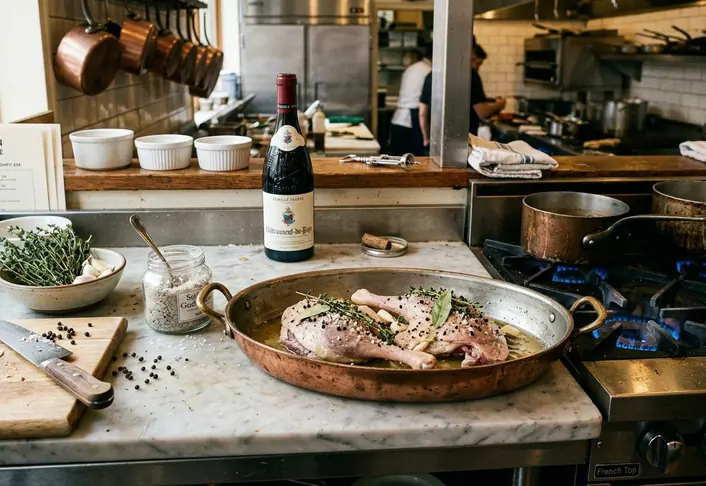
Organize examples by function rather than a generic list. You need dishes for opening the appetite, dishes for shared abundance, dishes for a main-event plate, and desserts that signal closure. When curating the festive menu, group items by their functional role at the table, ensuring that a rich centerpiece is balanced by lighter, communal starters.
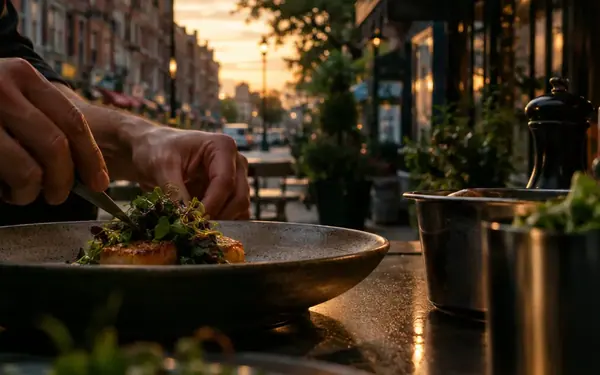
Celebratory starters include oysters, escargots, onion soup, pâté, terrine, or a composed salad. These dishes invite sharing and conversation. Main courses anchor the table. Traditional duck confit calls for a day or more of curing before being slow-cooked in its own fat—classic brasserie preparation methods require as much. This extensive preparation makes it a reliable centerpiece that kitchens prepare well in advance of service. Other strong main-event options include steak frites, sole meunière, roast chicken, mussels, or short ribs when available.
Wine Pairing Without Turning Dinner Into a Test
Explain pairing by weight, acidity, sauce, and mood rather than by memorized rules. The pairing strategy focuses on selecting a versatile, mid-weight bottle that can bridge the gap between seafood starters and roasted poultry mains.
Champagne or sparkling wine works beautifully for an aperitif and oysters. Sancerre-style whites or other crisp whites cut through rich seafood. Burgundy-style Pinot Noir complements duck or mushroom dishes, while Bordeaux-style reds or Rhône reds stand up to richer beef or lamb preparations. Temperature plays a critical role in this dynamic. Sommeliers typically serve crisp white wines in the mid-40s to around 50 degrees Fahrenheit, while lighter Burgundy-style reds are presented a bit warmer, closer to 55 to 60 degrees, to maximize aromatic expression.
Exact bottle selections depend heavily on the restaurant’s current cellar inventory, vintage availability, and the sommelier's daily guidance. Use regional styles as a compass rather than hunting for a specific label.
Boston Details That Change the Meal
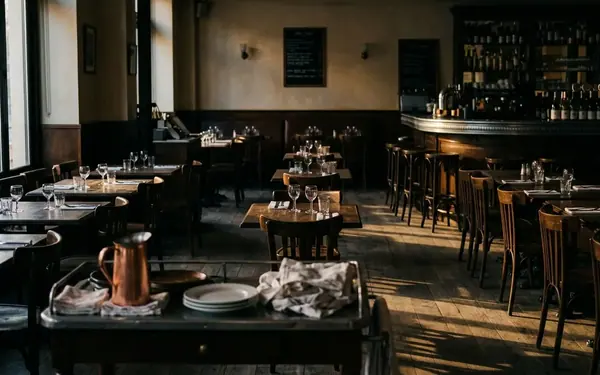
Neighborhood context affects the celebration. Back Bay evenings involve hotel guests, office dinners, theater plans, shopping routes, or visitor itineraries. Logistical planning involves mapping the walking routes from local theaters to the dining room, ensuring that reservation times account for post-show foot traffic and coat-check queues.
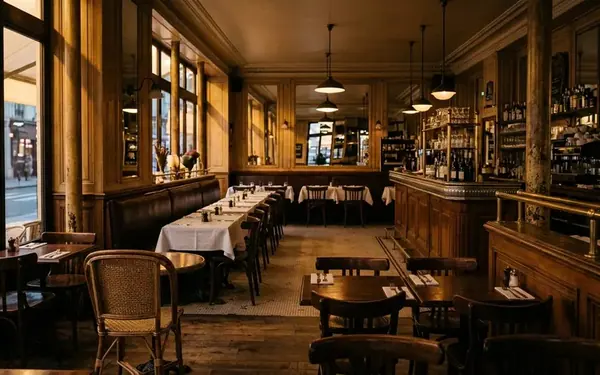
Atmosphere dictates the success of the occasion just as much as the food. Peak dining room noise in bustling brasseries often climbs into the 80s of decibels between about 7:00 and 8:30 PM, directly impacting conversation dynamics at larger tables. Booking a highly sought-after, high-decibel dining room for an intimate anniversary, resulting in guests having to shout across the table, undermines the entire purpose of the evening.
Risk Factor: Securing a window-side banquette for a quiet anniversary dinner is counterproductive if the table is situated directly along the main server traffic lane leading to the kitchen.
A Brasserie-Inspired Celebration at Home
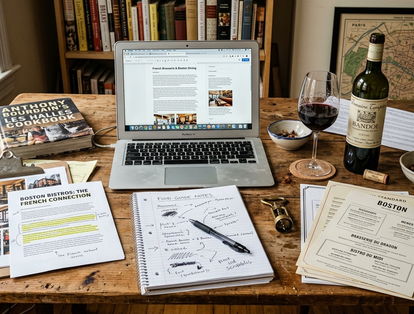
Provide a practical home-hosting framework for readers who want the feeling of a French meal without dining out. A manageable menu includes an aperitif, one make-ahead starter, one main dish with a simple side, cheese or salad, and a purchased or prepared dessert.
To maximize the host's time at the table, the menu design prioritizes braised dishes that improve when prepared a day ahead, eliminating last-minute pan-sauce reductions. A standard home-cooked beef bourguignon needs roughly two and a half to three hours of active simmering, followed by an overnight rest in the refrigerator to deepen the flavor profile. Start with gougères or olives, serve the stew as a centerpiece with a green salad and mustard vinaigrette, and finish with crème caramel or a fruit tart.
End the Meal With a Sense of Occasion
The closing moments shape the memory of the evening. Dessert service, a final pour, coffee, a toast, or a short walk through Back Bay after dinner all serve as punctuation marks. Choose one clear ending rather than letting the meal dissolve into indecision.
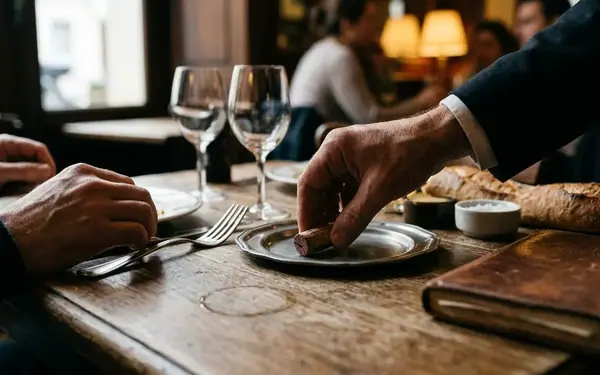
The conclusion of the evening is best structured around a definitive closing action—serving a final digestif alongside the check, to clearly signal the end of the celebration and allow guests a graceful exit. This deliberate pacing transforms a simple dinner into a recognized cultural event. UNESCO’s entry on the gastronomic meal of the French officially inscribed this dining tradition on its Representative List of the Intangible Cultural Heritage of Humanity in 2010—the first time a national cuisine earned that distinction.



Your Comment