Table of Contents
- The First Evening Sets the Tone
- What French Dining Means in Boston
- Choosing the Right Neighborhood for the Meal You Want
- How to Read a French Menu Without Overthinking It
- Wine Pairings That Make the Meal Feel French
- Reservations, Timing, and Table Etiquette
- Three Visitor-Friendly French Dining Plans
- The Best Way to Approach French Dining in Boston
The First Evening Sets the Tone
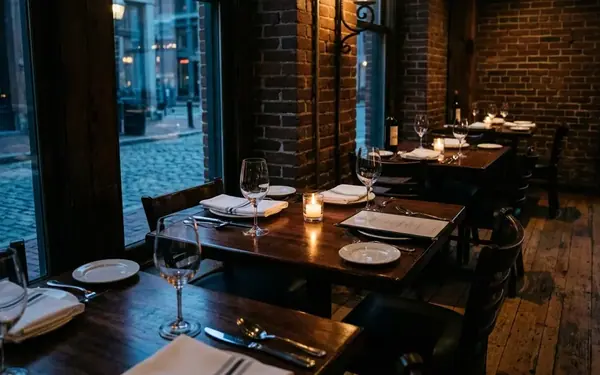
A visitor steps off a Back Bay sidewalk just as the dinner room starts to warm. The glass door opens, the bar appears first, and the zinc-toned light catches the edge of a coupe. There is the clink of stemware, the low lift of conversation, and that unmistakable smell of butter, shallots, and herbs moving out from the kitchen.
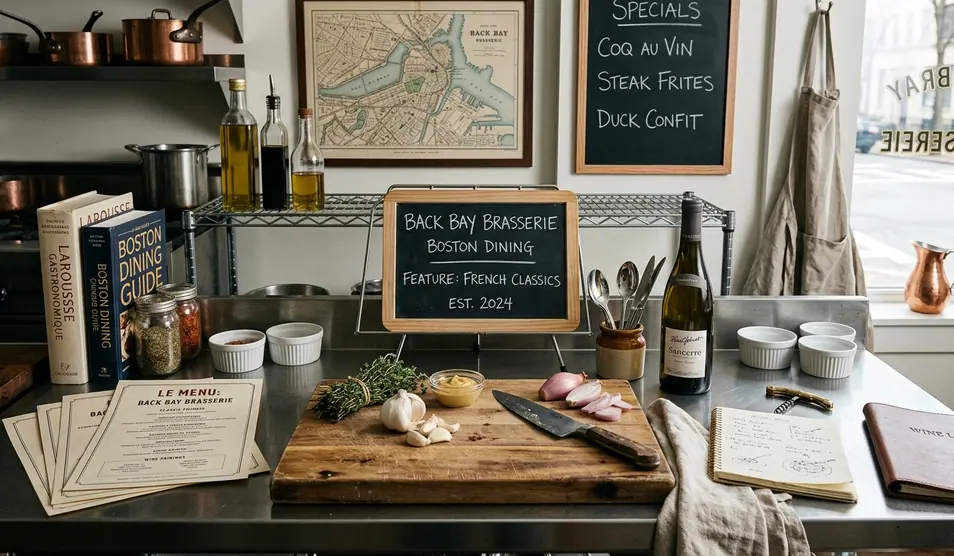
French dining in Boston can be easy to romanticize. The better question is not whether the room feels formal enough, but whether it fits the evening you are actually planning. A brasserie before theater, a quiet bistro for an anniversary, and a solo seat at the bar after a Newbury Street walk all ask for different choices.
The peak dinner transition often lands somewhere between 5:45 and 6:30 in the evening, when early tables fill, bar guests linger, and servers begin shifting from aperitif mode into full dinner service. That window can feel charming if you want energy. It can feel compressed if you are trying to eat three courses before a curtain time.
This guide keeps the focus practical: neighborhood, room style, menu rhythm, wine and pairings, reservations, and the small points of etiquette that make French brasserie culture feel relaxed rather than intimidating.
What French Dining Means in Boston
Boston does not treat French dining as one narrow category. The city has intimate bistros, bustling brasseries, seafood-forward rooms, wine-centered restaurants, and special-occasion dining rooms where the pace slows and the lighting drops.
Bistro versus brasserie, without the rigid rules
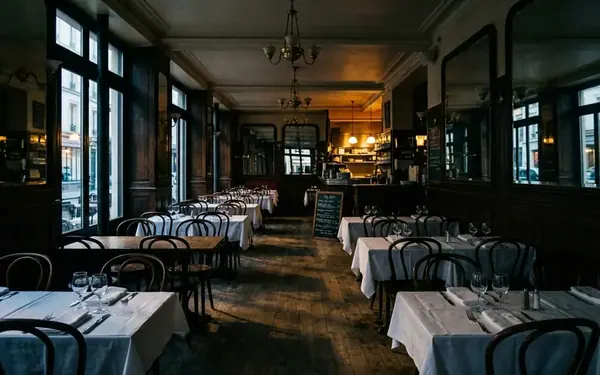
A bistro usually feels smaller and more personal. Think compact dining room, tighter menu, quieter conversation, and a clearer sense that the kitchen has a defined point of view. An intimate bistro might seat around 45 to 60 people, which changes the room’s sound and the way service moves.
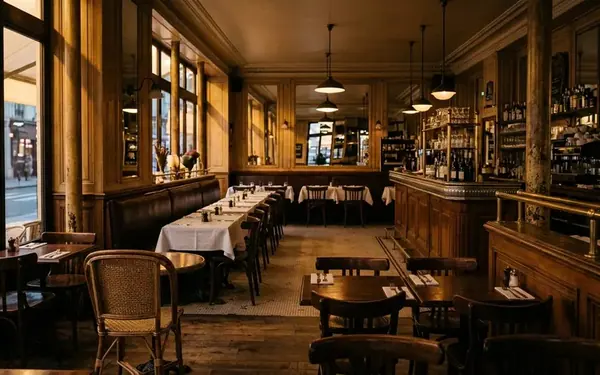
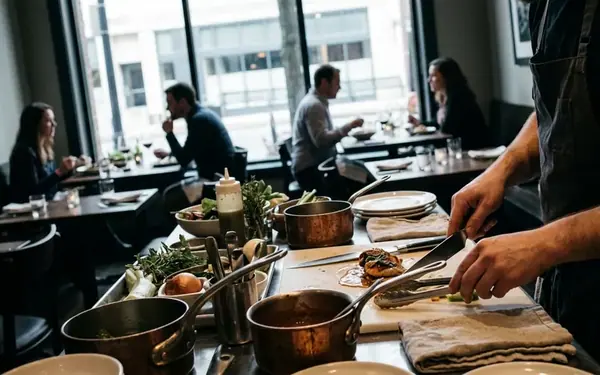
A brasserie tends to be more open-ended. It can handle a casual lunch, a business dinner, a birthday toast, or a visitor who wants steak frites and a glass of red at the bar. Bustling brasseries often run much larger, roughly 120 to 180 seats, and the experience leans on movement: the bar, the host stand, the server with a tray of oysters, the table turning over for a later reservation.
Critical Insight: Treat these categories as useful reading tools, not strict legal definitions. Floor plans, liquor licenses, and local dining habits can blur the line, so the better test is how the room behaves once you walk in.
Table pacing commonly sits around 90 to 115 minutes for a straightforward dinner. That is long enough for two courses and a glass of wine, but not always enough for a leisurely three-course meal if the reservation is tied to a show or a hard stop.
Choosing the Right Neighborhood for the Meal You Want
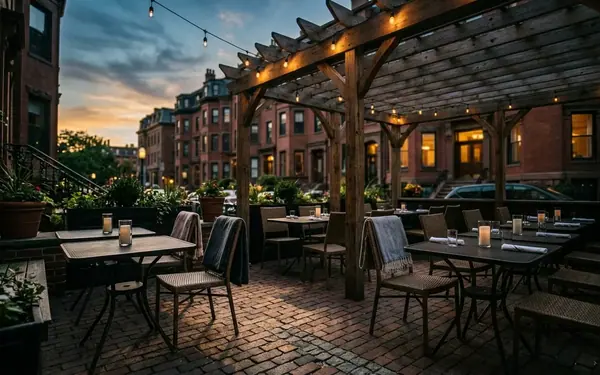
Back Bay is the most intuitive starting point for visitors who want polished French dining in Boston. The architecture helps. So do the hotels, the shopping corridors, the walkable blocks, and the way Newbury Street and Commonwealth Avenue can turn dinner into a full evening rather than a single reservation.
For geographic context, the City of Boston Back Bay neighborhood overview gives a useful official frame for the area’s streets, landmarks, and residential-commercial mix.
Match the room to the occasion
- Pre-theater meal: Choose a restaurant that understands early pacing and tell the server your curtain time before ordering.
- Anniversary dinner: Look for a room where dessert, coffee, and a second glass will not feel rushed.
- Solo bar meal: Pick a brasserie with visible bar service, wines by the glass, and classics that work without a large table.
- Business dinner: Avoid the loudest hour if the conversation matters more than the scene.
- Lunch after walking Newbury Street: Keep the order lighter and let atmosphere do part of the work.
Neighborhood choice changes the meal because it changes the pressure around it. A restaurant near shopping corridors may feel bright, social, and kinetic. A quieter, residential-adjacent dining room may invite slower ordering. A hotel-nearby brasserie may be the easiest answer when a visiting family wants recognizable food and a room that feels distinctly Boston.
Walking distances between major accommodations and dining clusters often fall into a manageable half-mile range or so in this part of the city. That matters in winter, in heels, with parents, or after a long day of travel.
How to Read a French Menu Without Overthinking It
French menus can look more complicated than they are. Most visitor-friendly rooms build around anchors: oysters, escargots, onion soup, steak frites, duck, roast chicken, mussels, pâté, composed salads, tarte tatin, crème brûlée, and cheese.
A practical ordering sequence
Pair by weight, not by anxiety
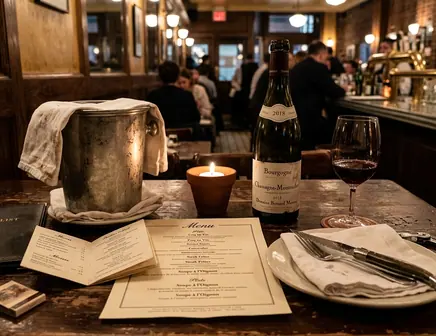
- Choose one defining classic. This is the dish that tells you how the kitchen handles tradition: onion soup, steak frites, roast chicken, or mussels.
- Add one seasonal dish. Seasonal french cuisine shows up in vegetables, seafood, sauces, fruit desserts, and daily preparations.
- Order one item that matches the restaurant’s identity. If the room feels seafood-driven, lean toward oysters or fish. If the wine list carries the room, order food that will let the bottle speak.
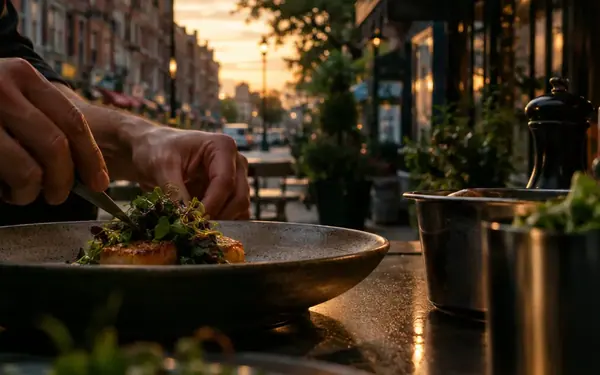
The most expensive dish is not always the most revealing one. A simple omelet at lunch, a bowl of soup, a roast chicken, or properly crisp frites can show more discipline than a luxury plate overloaded with garnish.
Appetizer-to-main pacing often runs about 20 minutes or so, so decide early whether you want a full progression or a tighter meal. If you are attending a show, do not order a heavy, multi-course dinner inside a strict pre-theater window of an hour or less. That is how a graceful room becomes a rushed one.
Recommendation: If the menu feels large, order one classic, one seasonal plate, and one glass of wine that fits the sauce. That structure keeps the meal French in spirit without turning dinner into homework.
Wine Pairings That Make the Meal Feel French
Start with the dish, the sauce, and the mood. Do not start by memorizing regions. A good server can work with plain language: “I want something crisp with oysters,” or “I like medium-bodied reds and I’m ordering duck.”
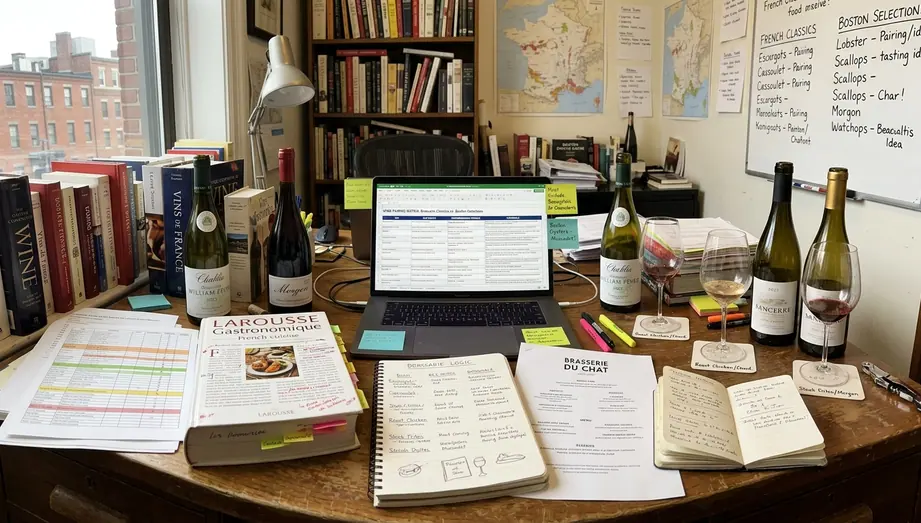
- Oysters and seafood: Crisp whites usually make the meal feel brighter and cleaner.
- Steak frites: Structured reds work well because they can stand up to beef, salt, and frites.
- Duck: Pinot Noir-style reds often fit, though fuller whites can work when the preparation is richer or more aromatic.
- Onion soup: Choose a wine that can handle sweetness, broth depth, and melted cheese rather than something too delicate.
Wine pairing can change sharply when a dish moves from a butter-based sauce to a vinegar-based reduction. Butter asks for freshness and cut. Vinegar asks for a wine that will not taste thin or sour beside the plate.
By-the-glass pours commonly land around 5 to 6 ounces, which is enough to pair deliberately without committing to a bottle. Structured reds are often kept a little cool, in the mid-50s Fahrenheit, so do not be surprised if a red arrives cooler than room temperature. That is usually a service choice, not a mistake.
Name the budget. Name the weight you like. Name the dish. Those three details help more than pretending to know every appellation on the list.
Reservations, Timing, and Table Etiquette
Reserve earlier for Fridays, Saturdays, holidays, graduations, and peak travel periods. If plans are loose, still check same-day bar seating; Boston dining guides often understate how useful the bar can be for one or two guests.
One catch matters in May: same-day bar seating becomes much harder during local university graduation weekends in mid-to-late month. For that period, treat a standard reservation as the serious plan and make it weeks ahead if the dinner matters.
Choose the right reservation hour
Early reservations suit pre-theater meals, family dinners, and visitors who want a clear end time. Pre-theater windows can be strict, roughly 5:00 to 6:45 in the evening, especially when a room is turning tables for later guests. Later reservations suit wine, dessert, and the slower brasserie rhythm that makes the evening feel less scheduled.
Etiquette is simpler than people fear. Arrive close to the reservation time, communicate delays, and ask directly about pacing if you have an event afterward. Late-arrival grace periods may be capped around 10 to 15 minutes, and cancellation windows often require a day or two of notice.
Risk Factor: The most common mistake is assuming every French dining room is formal and slow. Some are built for energy, quick classics, and bar dining; others expect a longer arc. Read the room before you order the whole menu.
Three Visitor-Friendly French Dining Plans
Plan 1: The classic Back Bay evening
Start with a late afternoon walk along Newbury Street or Commonwealth Avenue. An aperitif can begin as early as four in the afternoon in the right room, which gives the evening a gentle start before the dining room fills. Order steak frites or roast chicken, share a dessert, then take a short post-dinner stroll.
A 15 to 25 minute walk along Commonwealth Avenue after dinner feels especially good when the meal has been rich. It gives the night a clean finish without needing another stop.
Plan 2: The wine-first dinner
Reserve where the list matters. Order lighter starters, ask for pairing guidance, and let the wine shape the pace. This is the plan for someone who cares less about checking off classics and more about how a glass changes with pâté, duck, or cheese.
Keep the food slightly restrained. The bottle should not have to compete with every heavy dish on the table.
Plan 3: The relaxed lunch
Lunch works beautifully for visitors who want atmosphere without a heavy evening commitment. Service windows commonly run from late morning into early afternoon, which pairs well with shopping, museum time, or a long walk through Back Bay and Newbury Street.
Order soup, salad, mussels, or a sandwich-style brasserie plate. Lunch is also the right moment to test a restaurant’s fundamentals: bread, greens, seasoning, frites, and coffee.
The Best Way to Approach French Dining in Boston
The sequence matters: choose the neighborhood first, then the room style, then the menu rhythm, then the wine. That order prevents the common mistake of chasing an abstract idea of French cuisine while ignoring the actual dining occasion.
Boston’s strongest French meals often come from fit. A polished Back Bay brasserie can be more satisfying than a more formal room if you want a walkable evening, a lively bar, and recognizable classics. A smaller bistro can be the better call when conversation and intimacy matter more than spectacle.
For a full three-course experience, plan on roughly two to two and a half hours and let the reservation breathe. If time is limited, my recommendation is clear: start in Back Bay, reserve a brasserie table, order one classic and one seasonal plate, and let the first glass set the pace.
Your Comment