
A Brasserie Meal Is Won in the First Five Minutes
The most generous French restaurant hospitality often begins with firm direction, rather than instant comfort. A host taking a coat, a swift walk to the table, and a menu placed squarely on the linen set a deliberate tone. The greeting, seating rhythm, menu handoff, and first question from the server establish the meal’s emotional tempo long before any food arrives.
A greeting at the host stand within the first minute or two of entry provides a baseline of competence. Menu handoffs and initial water service tend to follow within a few minutes of seating. The initial entry sequence dictates the baseline for hospitality — structured fieldwork across Boston dining guides confirms as much.
This early structure acts as a culinary anchor. It changes how diners notice the crust on the bread, the temperature of the butter, the pacing of the room, and the hum of neighboring tables. When the front door operates with precision, the dining room feels insulated from the street outside.
Hospitality as Choreography, Not Personality
French brasserie culture defines hospitality as coordinated movement. The host stand, bar, floor staff, kitchen pass, and wine service all work in a continuous sequence. Contrast this polished hospitality with performative friendliness. The point is not constant attention or a server who attempts to manufacture a personal connection, but correctly timed attention.
While this approach focuses strictly on traditional dining rooms, the mechanics of service remain universal. Concrete cues reveal the underlying system. Menus arrive simultaneously with water. Initial beverage inquiries within the first several minutes of seating establish the beverage pace before pushing food orders. Water glasses refilled when they run low, without interrupting table conversation, demonstrate spatial awareness.
Critical Insight: True hospitality is mechanical before it is emotional. A server who clears plates without rushing the table provides more comfort than one who checks in every five minutes.
The Brasserie Contract: Leisure With Boundaries
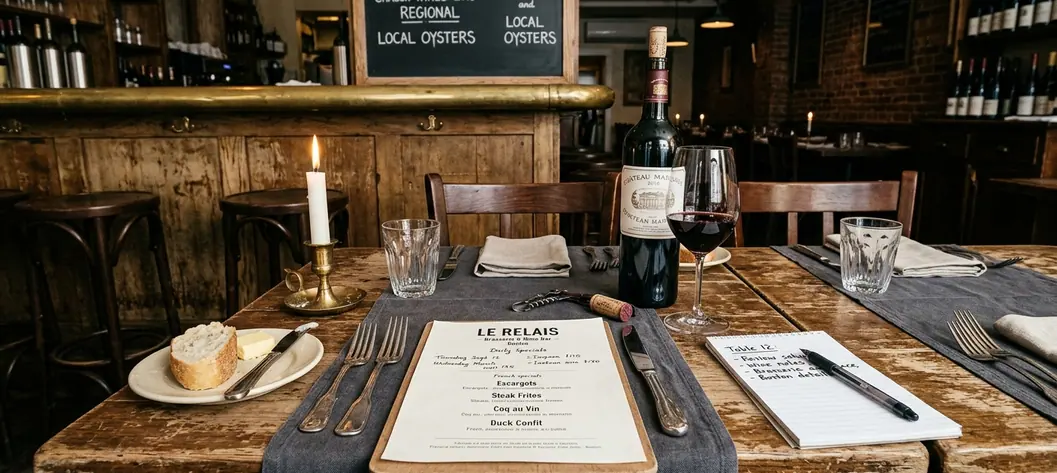
There is an implied contract in French brasserie dining: diners are invited to linger, but within a rhythm the room can sustain. This can feel cool, strict, or insufficiently accommodating to American diners accustomed to endless customization and constant check-ins. Yet, distinguishing indifference from structure is essential. A confident brasserie protects the meal from chaos by guiding choices, pacing courses, and preserving the room’s energy.
Pre-theater dining windows are managed tightly through the early evening to keep tables turning. Standard dinner reservations are allocated something in the ballpark of 90 to 120 minutes depending on party size. This framework protects the experience for everyone in the building.
Service rhythms collapse when a party of six arrives half an hour late during the peak Friday rush. This structured pacing also frequently dissolves during late-afternoon service transitions, roughly between three and half past four, when skeleton crews manage the floor and kitchen changeovers delay ticket times.
Wine Service Is Where Hospitality Becomes Interpretation
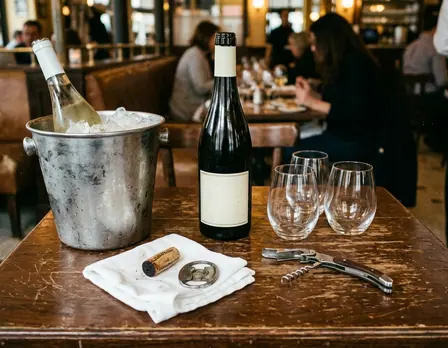
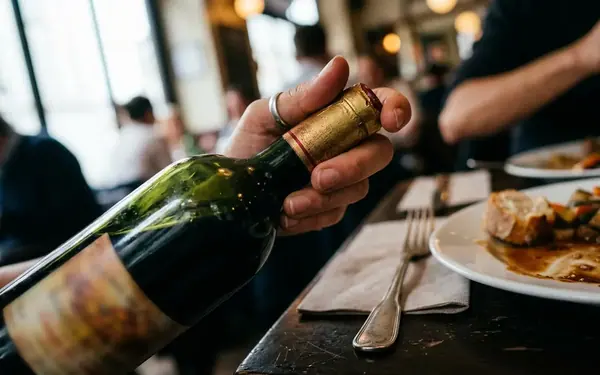
Wine service reveals whether hospitality is truly attentive because it requires translation, not recitation. A sommelier or server improves the meal by asking practical questions regarding budget, appetite, sauce, course sequence, and whether the table wants familiarity or discovery. Ongoing relationships with wine importers, built over years, allow sommeliers to offer proven selections that elevate the plate.
Testing interpretive skills involves requesting wine and pairings based on the dominant sauce of the main course, such as a beurre blanc or peppercorn reduction. By-the-glass recommendations that land somewhere in the mid-teens to low twenties demonstrate accessible expertise. Bottle retrieval and initial tasting pours within a few minutes of ordering keep the meal moving.
Wine pairing recommendations vary drastically depending on whether the kitchen is executing a heavy winter braise menu versus a lighter spring seafood promotion. These selections anchor brasserie staples such as steak frites, roast chicken, onion soup, oysters, pâté, and butter-rich sauces.
When Good Service Feels Almost Invisible
The paradox of excellent hospitality is that diners may remember the warmth of the evening more clearly than any single service gesture. It is a replaced fork before the next course. A refreshed bread plate. A server noticing that a table is deep in conversation and stepping back.
Silverware resets and bread plate clearing done in the minute or two between courses maintain the illusion of effortlessness. Dessert menus presented only after a short resting period following the clearing of main plates allow the palate to reset.
This invisibility shapes memory. The diner leaves believing the meal flowed naturally, when in fact the room made dozens of small decisions to clear the path.
Risk Factor: Over-attentiveness shatters this illusion. Interrupting a punchline to ask how the first bites taste prioritizes the restaurant's anxiety over the guest's experience.
How Diners Should Meet This Hospitality Halfway
Diners can extract more from seasonal French cuisine and neighborhood dining occasions by participating in the restaurant's rhythm. Arrive on time. Share timing constraints early. State wine preferences plainly, and allow the server to sequence courses.
Arriving five or ten minutes before the reservation gives the host stand breathing room. Upfront transparency about time constraints alters the kitchen's firing sequence, allowing a comfortable stretch between appetizers and main courses for a smooth progression. Do not mistake fewer interruptions for neglect. In a brasserie, space can be a form of care.
Recommendation: Next time you sit down in a Back Bay or Newbury Street dining room, close your menu the moment you decide on your order and place it flat on the table. This silent, universal signal tells the floor staff you are ready, initiating the exact sequence of hospitality the kitchen needs to pace your meal perfectly.

Your Comment