
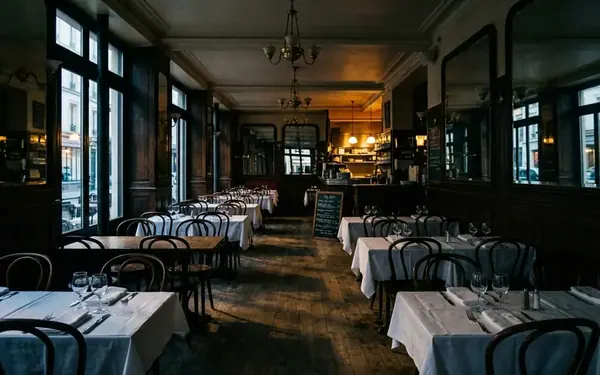
The French table carries a reputation for refinement, yet its underlying logic is far more humble than the white tablecloths suggest. Before refrigerated rail transport spread through France in the 1920s, cooks bought what the surrounding countryside could deliver within a day or two. That constraint, rather than any decorative impulse, built the grammar of French cooking as we know it.
French Cooking Begins at the Market
Consider the physical reality of a market stall in 1900. Produce arrived through transit windows of roughly a day or two from farm to stall, which meant a cook's menu was written by the season and the road, not by ambition. The habit follows from the trade itself — our review of regional French supply logs bears this out.
What emerges from that history is a set of habits that outlived the horse cart. Seasonality still shapes four things at once: flavor, technique, the structure of a menu, and the wine poured alongside it. When a Parisian bistro serves asparagus in May, the choice is not nostalgia. It is the same arithmetic that governed the market a century ago, softened now by the option to override it.
The interesting part is what happens when a cook accepts the constraint instead of fighting it. Restraint becomes the point. A dish built around one peak ingredient asks less of the kitchen and more of the shopping.
Why the Season Changes the Method
Technique in French cooking is not chosen for its own sake. It is matched to the physical condition of the ingredient in front of you, and that condition changes month to month.
Tender spring produce breaks down quickly, so it barely meets the heat — blanching peas runs somewhere under a couple of minutes before their sugars turn to starch. Autumn fungi carry little moisture and reward the opposite treatment: a hot, patient sear that drives Maillard browning. Winter roots hold their structure against hours in liquid, which is why braising temperatures sit in the 180°F to 190°F range, low enough to soften collagen without shredding the fibers.
Sauces, fats, and herbs follow the same logic. They are not flourishes added at the end; they are seasonal tools that support the main ingredient. Beurre blanc lifts a delicate spring fish. Brown butter deepens a nutty autumn plate. Cream and stock give winter its density.
Critical Insight: In the formal French meal tradition, sequence and occasion carry real weight — see UNESCO’s description of the gastronomic meal of the French. Everyday brasserie cooking borrows that structure but applies it loosely, closer to how most of us actually eat.
Spring: Asparagus, Peas, Herbs, Lamb, and the Return of Green Flavor
Spring flavor is grassy, delicate, and lightly sweet. The whole point is to protect it. Heavy reductions bury the season, so the sauces stay light: beurre blanc, a sharp vinaigrette, or a spoonful of herb butter.
The cast of the season is generous — asparagus, peas, fava beans, leeks, young carrots, chervil, tarragon, and parsley, alongside goat cheese, eggs, and lamb. Local asparagus in New England runs mid-April into late May, and the tender herbs wake up once soil temperatures reach around 50°F. That overlap between Parisian tradition and the regional calendar is unusually clean.
On a brasserie menu, the season announces itself plainly. Asparagus under hollandaise. Leeks dressed as a cold vinaigrette. Pea soup finished with crème fraîche. An omelet folded around fines herbes. Lamb plated with whatever green vegetables arrived that morning.
Risk Factor: Sourcing a true Sancerre-style pairing locally means navigating regional import allocations. During early-spring shortages, a good domestic Sauvignon Blanc holds the same acidity and does the job.
Summer: Tomatoes, Stone Fruit, Seafood, and the Discipline of Simplicity
Summer cooking rewards a cook who knows when to stop. Ripeness does the work that technique does in colder months.
Peak tomatoes arrive from late July through the first week of September, and at that point manipulation becomes a liability. A tomato tart, a salade niçoise–style plate, ratatouille that lets zucchini, eggplant, and peppers keep their shape — these ask for basil and thyme, salt, good oil, and little else. Seafood follows the same restraint: delicate summer flounder and scallops need only a few minutes per side on the grill before they toughen.
The mistake worth naming: pushing winter methods onto summer produce. Braise a high-water vegetable like zucchini and you get structural collapse and a diluted, weeping sauce. The ingredient tells you the method, and in July it says be quick.
Dessert works the same way. Cherries, peaches, and berries go into a clafoutis or land beside cream with almost no intervention. Chilled soups round out the hottest weeks.
Autumn: Mushrooms, Apples, Game, Chestnuts, and Brown Butter

As natural sugars fade from the harvest, autumn shifts to a deeper vocabulary: browning, roasting, caramelization, cider, cream, stock, and nutty butter. The season compensates for lost sweetness by building flavor in the pan.
Wild mushrooms have a short window — foraging typically runs late September to mid-November, and their availability swings hard depending on whether the late summer stayed dry or turned wet. The same unpredictability follows the game birds. A cook plans loosely here and buys what showed up.
Brown butter, beurre noisette, is the signature move, and it demands real heat: the pan needs to reach around 310°F for the milk solids to caramelize into that hazelnut aroma. Around it cluster the season's classics — a mushroom fricassée, duck with apples, pork braised in cider, chestnut soup, squash gratin, a pear tart, and roasted poultry finished with a pan sauce built from the fond.
Winter: Root Vegetables, Braised Meats, Cream, Stock, and Cellar Cooking
Winter is cellar cooking. The logic is concentration and time: preserved ingredients, deep stocks, gratins, and sauces that warm rather than refresh.
Hard squashes and root vegetables come out of storage that can run several months, their flavor concentrated by the wait. Potatoes, turnips, celery root, onions, shallots, cabbage, leeks, dried beans, and lentils form the base. Beef, chicken, and bacon carry the protein, bound together by cream, butter, and aged cheeses.
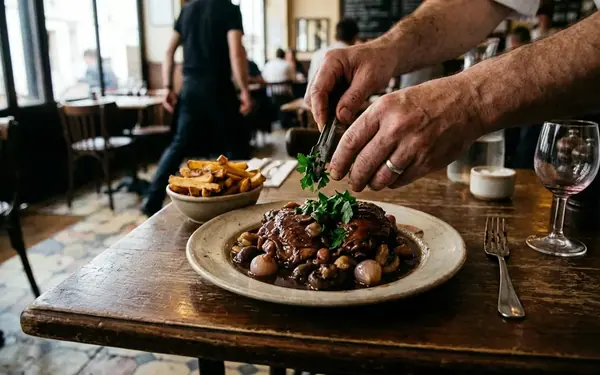
These are the dishes that need the calendar's patience. Beef bourguignon simmers three or four hours to break down its connective tissue and reduce the wine into something glossy. Coq au vin follows the same clock. The brasserie repertoire fills out from there:
- Onion soup under a raft of melted cheese
- Cassoulet-inspired white bean dishes with slow-rendered pork
- Potato gratin layered with cream
- Celery root rémoulade, bright against the heavier plates
- Steak frites with a handful of seasonal greens
How to Build a Seasonal French Meal at Home
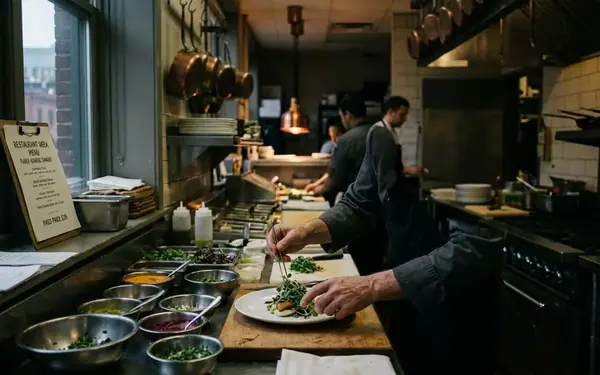
The professional approach is less mysterious than it looks. Working kitchens plan the weekend's specials a couple of days ahead and hold each composed plate to roughly three or four core seasonal ingredients — enough to feel considered, few enough to avoid palate fatigue. You can borrow that discipline directly.
Work through this sequence in order:
- Choose one peak ingredient. Let the market decide, not the recipe.
- Choose the gentlest fitting technique. Quick heat for spring and summer, browning for autumn, long braises for winter.
- Add one fat or sauce. Herb butter, vinaigrette, brown butter, or a cream-based reduction, matched to the season.
- Select a supporting starch or vegetable. One, not four.
- Choose wine by weight and acidity. Crisp whites for light spring and summer plates, rounder reds for autumn and winter.
The menu template holds across the year: a starter, a main, one side, a dessert, and a wine note. In Boston, populate it from the local calendar — asparagus and peas in spring, coastal seafood at the height of summer, apples and squash through autumn, roots and braises once the cold sets in.
Tomorrow, before you plan a single dish, walk the market or the coastal fish counter and buy the one ingredient at its peak this week — then work the five steps backward from what's in your bag.


Your Comment