
A Good Date Night Needs Margin
Selecting the wrong dining neighborhood introduces immediate friction to an evening. A delayed train or a missing parking spot quickly erodes the ease, conversation, and sense of occasion required for a successful date. Back Bay succeeds precisely because it builds margin into the evening before, during, and after the meal.
Repeated observation of local dining occasions suggests that arrival buffers of roughly 15 to 20 minutes let couples transition from transit to table without rushing. During peak dining hours between about 6:30 and 8:15 PM, a neighborhood must offer immediate overflow options like nearby hotel bars to absorb any wait time. Back Bay provides this structural safety net.
Walkability Is the Quiet Luxury
The strength of a date night begins long before the host checks a reservation. Sidewalks lined with brownstones, window-lit restaurants, and mature trees reduce the friction of arrival. The City of Boston’s Back Bay neighborhood overview highlights the area's architectural preservation, which practically translates into a highly flexible dining corridor.
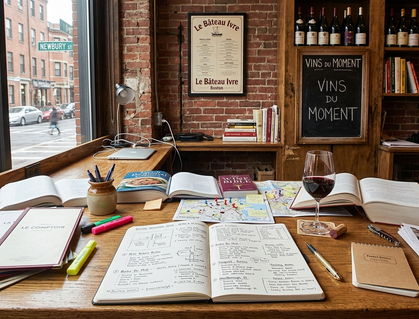
The grid layout between the public gardens and the western avenues provides a continuous pedestrian corridor of about a mile. Walking from the local light rail stations to most dining rooms takes somewhere between 4 and 8 minutes. From an editorial perspective analyzing boston dining guides, the neighborhood’s primary advantage is the sheer number of graceful pivots available within a compact area. If one cocktail bar is full, another sits fifty feet away.
The Brasserie Format Fits the Date-Night Tempo
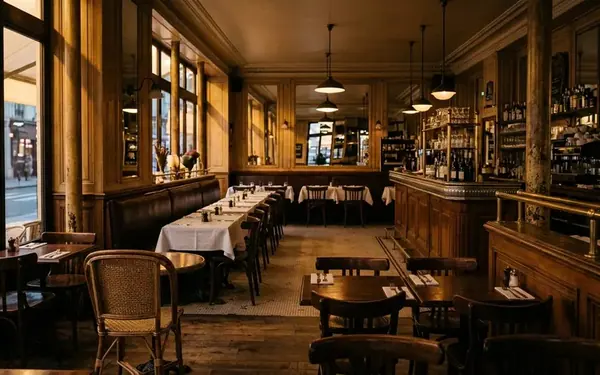
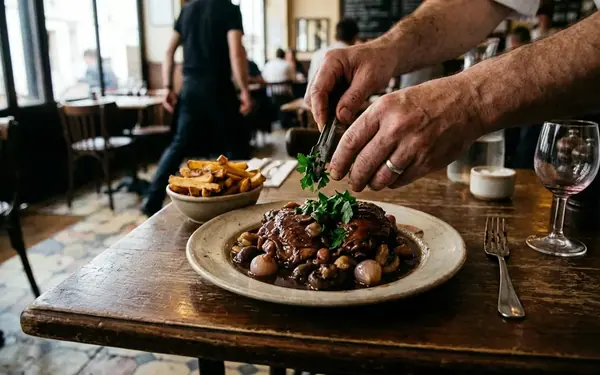
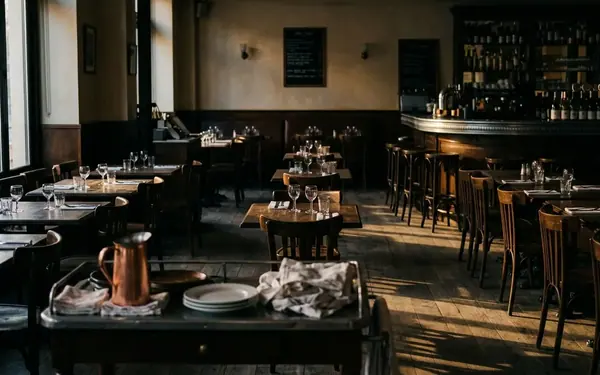
French brasserie culture aligns naturally with the emotional rhythm of a date. The room stays polished but never stiff, sociable but rarely chaotic. Brasserie staples scale up or down depending on appetite and mood. Couples can share a seafood tower and steak frites, or opt for lighter composed salads and seasonal french cuisine.
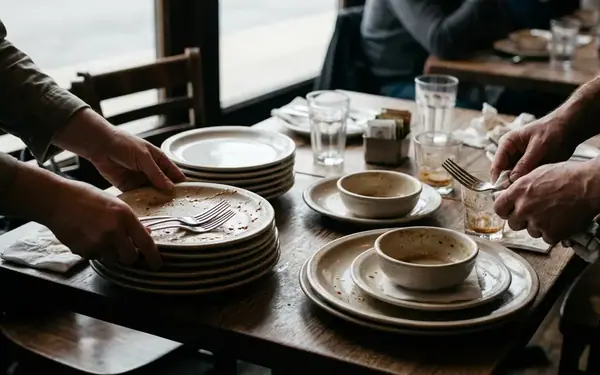
A standard brasserie service sequence leaves roughly 12 to 15 minutes between the appetizer clearance and the main course arrival. This pacing allows conversation to breathe.
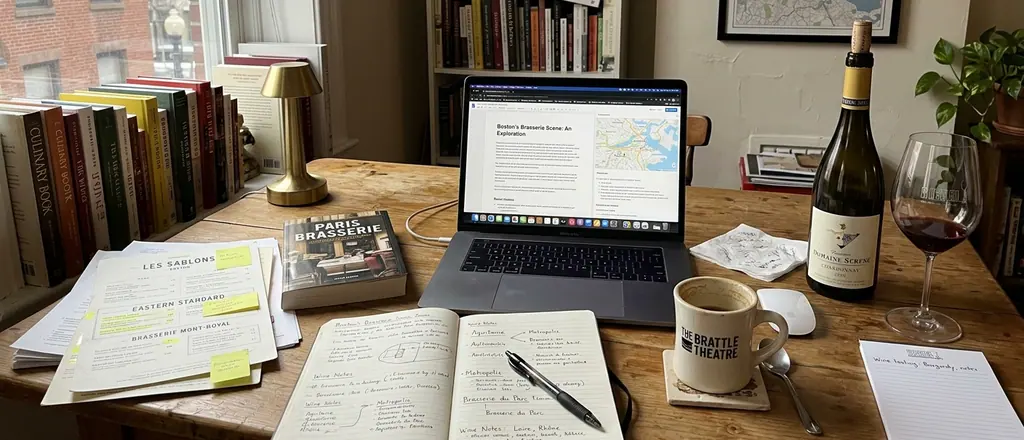
Wine & pairings also benefit from this format. By-the-glass wine lists featuring a dozen or more distinct pours allow couples to pair individual courses without committing to a full bottle. A brasserie table encourages dialogue around these choices without turning dinner into a formal, rigid tasting exercise.
Critical Insight: The traditional French service model trains waitstaff to pace courses based on table conversation rather than rigid kitchen output, protecting the flow of the evening.
The Second Act Is Already Nearby
A strong date-night neighborhood should not abruptly end when the check arrives. Back Bay offers practical after-dinner options that require no additional rideshares. Couples can transition from a dinner table to a secondary lounge or dessert venue within a 3- to 5-minute walking radius.
Late-night venues in this corridor typically keep serving until around 11:30 PM on weeknights and 1:00 AM on weekends. A walk under the streetlights, a quick stop at a wine bar, or a quiet bench along a tree-lined avenue reduces the pressure on the primary restaurant to carry the entire weight of the evening.
Yes, Back Bay Can Be Expensive and Crowded
Back Bay frequently draws criticism for feeling pricey, tourist-facing, and busy. Reservation availability drops sharply during the holiday shopping window from mid-November through late December. Booking a 7:15 PM reservation on a Saturday in December without a planned pre-dinner waiting spot often results in a half-hour outdoor wait in freezing temperatures.
Distinguishing ambient energy from actual inconvenience changes the calculus. A lively neighborhood supports romance when couples choose the right reservation time and room style. Opting for a 5:45 PM or 8:30 PM seating noticeably cuts the ambient dining room noise compared to the 7:00 PM rush. Avoid the loudest rooms for a first date, take bar seating for a casual second date, and secure earlier reservations when deep conversation matters most.
Risk Factor: This strategy falls apart if you are seeking a highly secluded, whisper-quiet environment, as the inherent energy of a dense urban dining district will always bleed into the room.
How I Would Build the Evening
Structuring the evening requires deliberate sequencing. The ideal reservation time shifts depending on the season; summer dates benefit from 8:00 PM bookings to catch the twilight walk, while winter dates favor 6:00 PM seatings to maximize time in warm, candlelit interiors.
Arrive early and walk a few blocks. Start with a glass of Champagne or a low-ABV aperitif to establish a relaxed baseline before navigating a busy dining room. A well-paced evening spans roughly two and a half to three hours from the initial cocktail to the final post-dinner stroll.
Choose the restaurant based on the desired mood, whether that means a bright, seafood-focused space or a classic, intimate brasserie. Ordering two or three shared appetizers rather than individual starters stretches the first course over a 25-minute window. Follow this with one crisp white wine, a structured red with the main course, and a dessert split between two forks.
Recommendation: Select venues where the architecture and lighting actively contribute to the mood, allowing the environment to do some of the heavy lifting for the evening's atmosphere.
The Neighborhood Protects the Mood
Back Bay succeeds because it protects the date from logistical fragility. Watching how the neighborhood moves confirms this dynamic. Areas with a mix of commercial, residential, and hospitality zoning maintain consistent foot traffic from 5:00 PM through midnight. Couples who use the surrounding neighborhood for pre- and post-dinner activities tend to spend close to an extra hour together compared to single-destination outings.
The pillars of walkability, brasserie rhythm, wine-friendly dining, architectural atmosphere, and easy second-act choices create a resilient framework. Back Bay & newbury street excel at giving couples graceful options when the evening needs to pivot.
When you map out your next evening, will you prioritize a single spectacular dining room, or a neighborhood that lets the night unfold at its own pace?

Your Comment