
Two Half-Bottles, Two Different Directions
Two half-bottles can bring two different wines to a dinner for two. During the initial wine list review in the first 10 to 15 minutes after being seated, couples in French brasserie culture frequently confront a mismatch on the menu. One diner wants a lighter first course, the other anticipates a richer main, and a single 750-milliliter bottle must somehow bridge both plates.
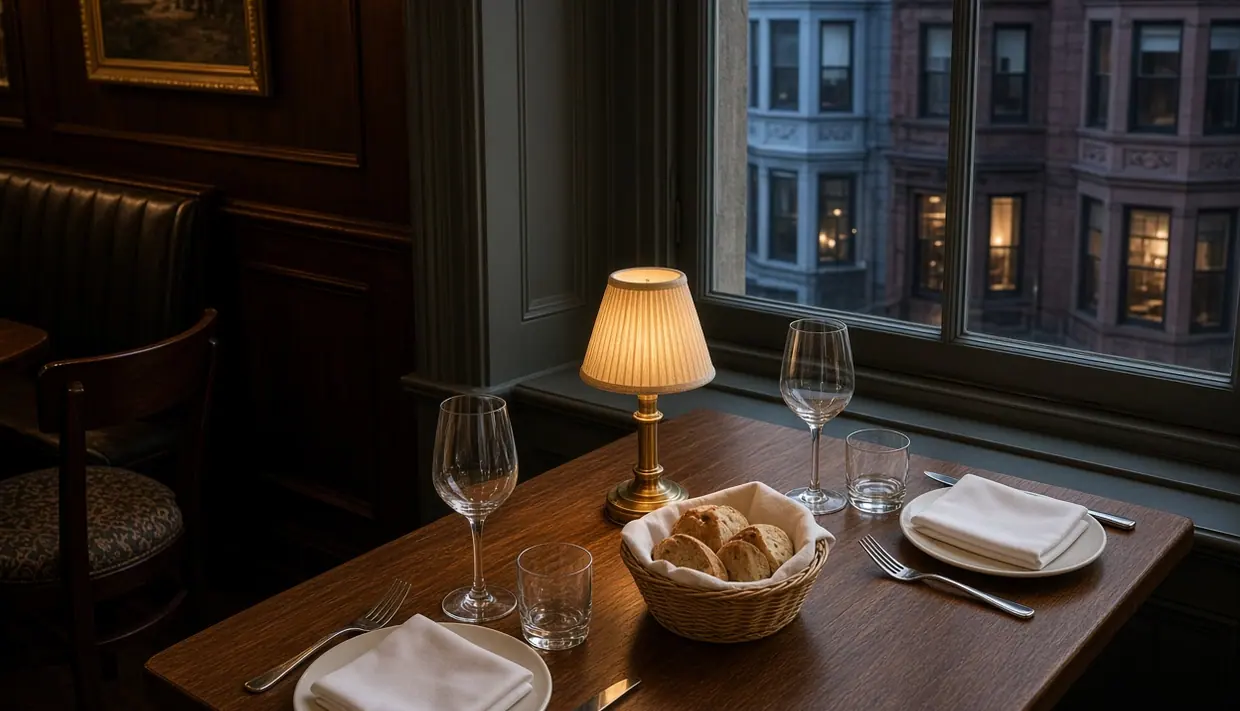
Sitting at a cramped two-top on Newbury Street in Back Bay, we recently weighed whether to force a single medium-bodied Pinot Noir across raw oysters and a peppered bavette. A compromise bottle flattens the extremes of seasonal French cuisine: the wine either overwhelms the brine of the shellfish or collapses under the seared crust and black peppercorn reduction of the beef. We ruled out the single bottle and split the meal into two distinct 375-milliliter demi-bouteille selections.
Each standard 375-milliliter format provides roughly two 6-ounce pours per bottle. When I order two half-bottles for the table, I treat the format as a deliberate choice about pairing flexibility across courses rather than a universal rule about menu value.
Matching Demi-Bouteille Selections to Course Weight and Sauce
Sequential ordering lets the wine shift alongside the kitchen's progression. A high-acid mineral white paired with raw oysters or delicate chilled shellfish sets a crisp baseline for the opening course, while a structured red stepped up for a pan-seared steak handles the transition to heavier proteins and pan reductions.
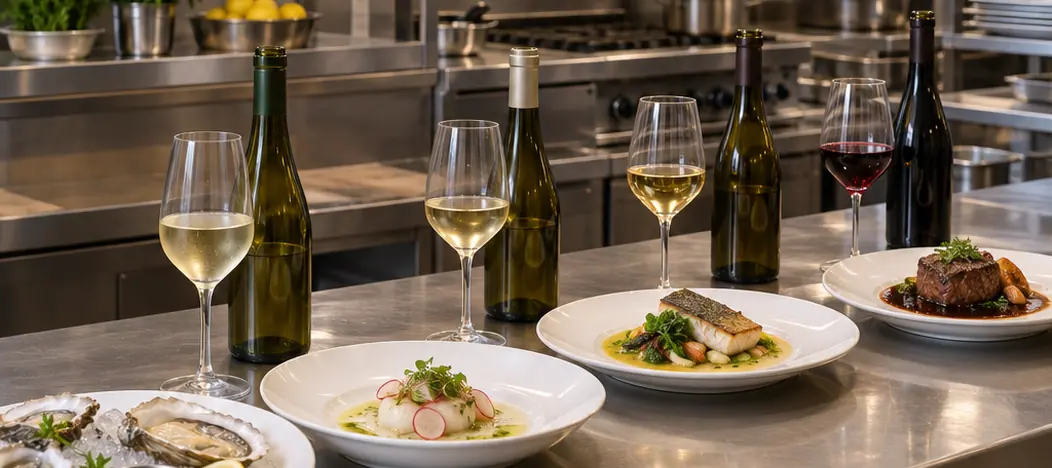
Diners who prefer white wine throughout the evening can apply the exact same progression without touching the red list. When our table bypassed red meat and both diners ordered roast chicken in a tarragon-cream sauce, we moved from a brisk Loire white with the first course to a fuller, barrel-aged white for the main plates. The transition window of 20 to 30 minutes between clearing starter plates and setting down main courses gives the palate a clean break before the richer wine arrives.
Instead of following rigid protein-to-color rules, choose wine pairings by reading sauce weight, fat content, and cooking method:
- Raw and poached preparations: Briny oysters, crudo, and chilled leeks in vinaigrette call for crisp, un-oaked whites with high acidity.
- Cream and butter reductions: Roast poultry or firm fish in tarragon-cream, beurre blanc, orvelouté hold up to fuller-bodied, barrel-aged whites.
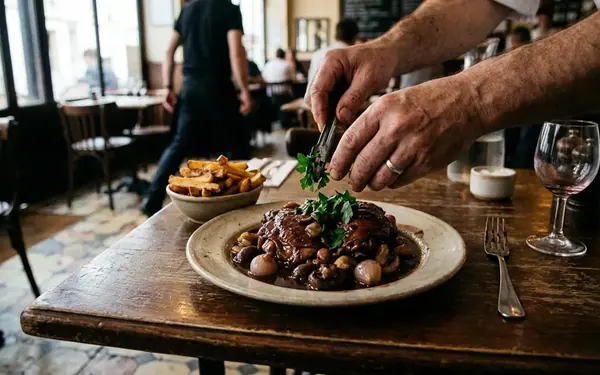
- Pan-seared meats and au poivre crusts: Bavette, duck breast, or entrecôte with pan jus demand the tannic structure of a firmer red.
Splitting a 375-milliliter format across courses loses its advantage when one diner strictly drinks red and the other only drinks white, leaving each person with a single glass per bottle rather than a shared progression.
Isolating Format Markups from Total Dinner Spend
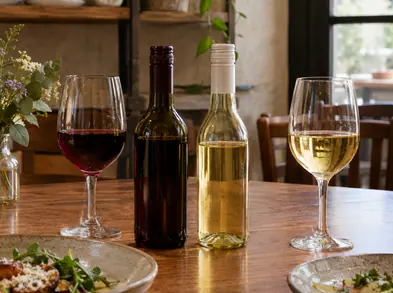
Two 375-milliliter bottles equal the exact 750-milliliter volume of one standard bottle while carrying dual glass, cork, and distributor handling costs. Before calling the server over, run a quick menu arithmetic check—a calculation that takes 2 to 3 minutes prior to placing the food order.
- Locate the two 375-milliliter bottles under consideration and add their menu prices together.
- Compare that combined figure against the single 750-milliliter bottle you would otherwise order.
- Separate a true format-price comparison from a broader dinner-budget comparison.
Evaluating the price requires two distinct checks. First, if the same wine appears in both sections of the binder, verify that the producer, appellation, and vintage align so that differences in the underlying bottles do not masquerade as a packaging markup. Only an identical producer, appellation, and vintage match isolates the true demi-bouteille premium. Second, when combining two completely different wines—such as a regional Loire white and a village-level Bordeaux—compare their combined cost against your total budget for the meal rather than treating the difference as a bottle fee.
Volume Reality Check: Ordering two 375-milliliter bottles changes the variety and temperature staging across courses without reducing a single drop of total wine on the table—you are still committing to the full 750-milliliter physical volume of a standard bottle.
Staggering Service and Temperature Across Courses
Restaurant half-bottle allocations are often small, with some listings down to their last bin-end quantities. When a dinner plan depends on a specific two-wine progression, confirm and order both half-bottles simultaneously with the food, then ask the server whether the second bottle can be held and opened with the later course.
Ordering together while opening in sequence gives dinner a natural pace without pressuring the table to rush through either bottle. While the first demi-bouteille accompanies the starters, the second remains sealed for 35 to 45 minutes while the opening course is served and cleared. If the table decides halfway through the appetizers that less wine is needed, an unopened second bottle can usually be canceled before the cork is pulled.
Explicitly request temperature-controlled storage for the delayed bottle at the time of ordering. Staggered service keeps the initial white on tableside ice at 45 to 50 degrees Fahrenheit while holding the second bottle—especially a structured red—at proper cellar temperature in the back of the house until the main courses are fired, preventing the red from warming up under dining room lights for forty minutes.
Replicating Course Progression from the Glass and Carafe List
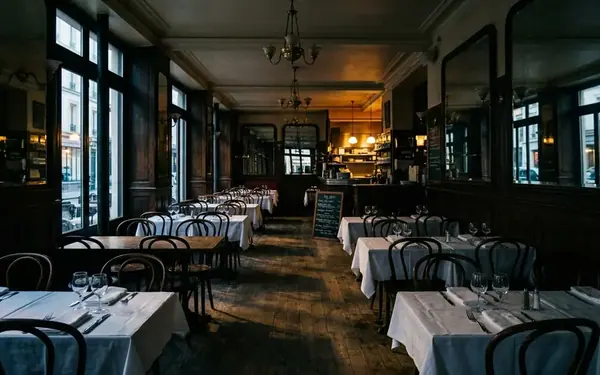
Many Boston dining guides note how lean demi-bouteille sections have become; it is common to open a brasserie binder and find the half-bottle page pared down to dessert wines. When the 375-milliliter list falls short, start with a concrete question for the server: which wines by the glass best match the specific starters and mains you are ordering?
Pacing with Pours and Carafes
Take a modest first step by ordering individual 5-ounce by-the-glass pours strictly for the opening course. Once the starter plates are cleared, use the 10-to-15-minute gap before the mains arrive to reassess your appetite and wine needs. At that juncture, you can compare standard 5-ounce pours, 250-milliliter carafes, and 500-milliliter carafes against 750-milliliter bottle pricing to cover the entrées.
Defaulting to the Standard Bottle
When the glass list lacks depth and the half-bottle section is empty, a shared 750-milliliter bottle remains the cleanest alternative whenever both diners enjoy one style and the food shares a similar weight—such as roast chicken and pan-seared salmon.
When Two Corks Justify the Spend
In my own ordering, the decision rule is straightforward: I favor two half-bottles only when the courses or diners genuinely call for different wines and the combined menu price fits the evening's budget. If a shared preference matters more than variety, a single 750-milliliter bottle delivers better value; if the table simply wants less alcohol, ordering fewer individual glasses beats buying two demi-bouteilles.
When a lighter opening plate of raw shellfish and a richer main of peppered beef pull the table in opposite directions, the split format resolves the tension cleanly. Across a full two-course brasserie dinner spanning 90 to 120 minutes from apéritif to check, dividing that combined 750-milliliter volume into two 375-milliliter course-specific pairings gives every single 6-ounce pour at the table a distinct culinary purpose.

Your Comment