
Navigating the Brasserie Wine List Under Pressure
Which French red should you order when steak frites, duck confit, and mushroom dishes all seem to call for something different? Most diners get three to five minutes with a brasserie wine list before the server makes their initial approach. Staring down a page of regional appellations offers little help when the menu provides no clues about body, tannin, or acidity. The pressure of the dining room often leads to rushed decisions based on familiar names or price points, rather than structural compatibility with the food.
The most reliable approach starts entirely on the plate. Evaluate the food's weight, fat content, sauce, and seasoning first. Once you understand the dish's structural demands, you can select a French red style that actually complements the meal. A standard restaurant pour is five ounces, so a 750ml bottle yields about five glasses for a table. Getting the most out of those five glasses requires matching the wine's architecture to the culinary techniques used in the kitchen.
The Four-Step Plate Assessment
Assessing a dish requires a specific sequence: identify the main ingredient, note the cooking method, pinpoint the richest component, and isolate the dominant sauce or garnish. Early attempts to pair wines based solely on protein weight often fail. A heavy cream and green peppercorn reduction completely masks the delicate nature of a lean filet. The dominant sauce, not the protein, sets the pairing trajectory.
Seared beef accommodates heavy tannin because of the specific chemistry of the cooking process. Maillard crusts form at surface temperatures in the ballpark of 280°F to 330°F, creating the bitter compounds that bind beautifully with those structural wine elements. Salty confit requires a completely different strategy. The rich, cured meat benefits from bright freshness and high acidity to cleanse the palate rather than sheer tannic power.
A classic pan jus reduction takes 45 to 60 minutes of simmering to achieve the necessary viscosity to coat the back of a spoon. That concentrated liquid, along with butter, mustard, or earthy mushrooms, fundamentally changes the required wine style even when the base protein remains identical. You must pair the wine with the most persistent flavor on the plate.
Assess the sauce before the protein: the dominant liquid or garnish usually decides the bottle. A peppercorn reduction calls for peppery Syrah, while a butter-mounted pan jus aligns with structured Bordeaux blends.
Translating Structural Elements into French Appellations
Body refers to the wine's perceived weight on the palate. Tannin provides the drying structure that grips the inside of your cheeks. Acidity delivers the mouth-watering freshness that resets your palate between bites. Understanding these three elements allows you to decode any French wine list.

Beaujolais, produced from the Gamay grape, offers a light, fruit-forward profile. Carbonic maceration in Beaujolais production generally runs somewhere between four and 15 days, resulting in lower tannin extraction and higher fruit perception. This makes it highly useful alongside charcuterie, roast chicken, or mixed table orders where heavy tannins would overwhelm the food.
Red Burgundy, crafted from Pinot Noir, presents an aromatic, savory alternative. It excels with poultry, mushrooms, and complex dishes where earthy detail matters more than sheer weight. Northern Rhône Syrah is often fermented in the 28°C to 32°C range to extract deeper color and savory phenolic compounds. That yields a sturdy, peppery wine equipped to handle intense, savory dishes and heavy reductions.
Pairing Strategies for Rich Meats and Rendered Fats
Matching classic brasserie meats requires attention to preparation details and aging processes. Dry-aging beef for steak frites usually spans 21 to 28 days, concentrating the savory flavors that bind well with structured Bordeaux blends. Leaner cuts of beef suit the fresher profiles of Syrah or Cabernet Franc. A fattier cut or a highly concentrated jus supports a more structured, heavier red.
Tannin works exceptionally well when the beef supplies ample protein and fat to soften the wine's grip. That same tannin feels severe and metallic if the plate is comparatively lean. Treat a peppercorn sauce as a direct bridge to a peppery Syrah. A rich red-wine jus provides ample reason to consider a structured, savory bottle from the Left Bank of Bordeaux.

Traditional duck confit requires curing the legs in salt and aromatics for 24 to 36 hours before slow-cooking them in rendered fat. This intense salt and rich rendered fat demand a wine with piercing acidity to cut through the richness. High-acid, medium-bodied reds serve as the ideal companion, refreshing the palate after each rich bite of the confit.
Lean meat versus fat-rendered meat: match the wine's grip to the fat content. Highly tannic wines need abundant fat to soften their structure, otherwise they overwhelm the palate and strip the food of its flavor.
Finding Flexibility with Poultry and Cured Provisions
Roast chicken usually favors light- to medium-bodied reds. Pinot Noir, Gamay, and Cabernet Franc offer necessary freshness without masking the meat. A half-chicken roasted at 400°F for 35 to 45 minutes comes out with crisp skin and meat still delicate enough for a light-bodied Gamay. Adjust your selection based on the specific preparation and accompanying garnishes.
- Herb-heavy preparations: Echo the green notes found in Cabernet Franc from the Loire Valley.
- Earthy mushrooms: Reinforce Pinot Noir's savory character and forest-floor aromatics.
- Dark, reduced jus: Justify stepping up to a slightly fuller Rhône blend to match the intensity of the sauce.
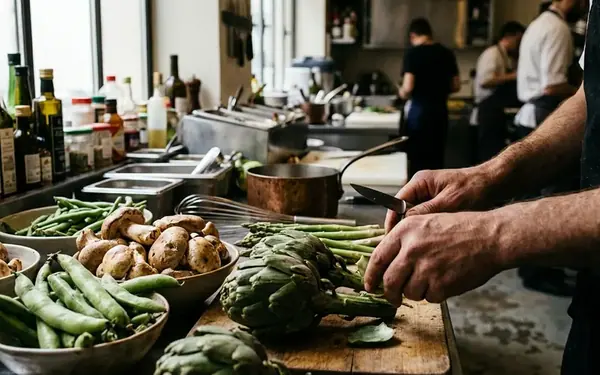
A standard brasserie charcuterie board features three to five distinct textures, ranging from a coarse, well-chilled country pâté to thinly sliced saucisson sec cured for roughly two months. These varied textures and high salt levels require a flexible, high-acid wine like Gamay to cleanse the palate between bites. Mushroom-forward plates need aromatic and earthy compatibility rather than aggressive tannin, especially when the dish contains little protein or fat to absorb the wine's structure.
Bridging the Gap When the Table Shares a Bottle
Selecting a single wine for diverse orders requires a repeatable sequence. Compare every dish at the table. Identify the lightest plate and the richest preparation. Choose a medium-bodied red with refreshing acidity to act as the bridge. In practice, running that comparison across a four-person table does most of the work: once you know the lightest dish and the richest preparation, the field narrows to a medium-bodied, high-acid red that neither overpowers the former nor disappears against the latter.
Gamay, Pinot Noir, or Cabernet Franc serve as excellent compromise styles when a table combines chicken, charcuterie, mushrooms, and moderately rich meat. A table of four sharing a single 750ml bottle will typically finish it over a 45- to 60-minute main course window. Red wine poured at cellar temperature, somewhere around 55°F, gains three to five degrees every quarter hour in a busy dining room, which shifts its perceived acidity and fruit profile as the meal progresses.

This compromise strategy falls apart when the table's orders occupy extreme opposite ends of the culinary spectrum, such as a delicate poached white fish alongside a heavily charred, dry-aged ribeye with Roquefort butter. In those instances, separate glasses serve the food far better than a single bottle.
Executing the Strategy During Dinner Service
A typical Back Bay brasserie dinner service turns tables every 90 to 120 minutes, giving diners a specific window to evaluate the wine's evolution in the glass. Decanting a young, structured French red takes 30 to 45 minutes of air exposure to soften the initial tannic bite. Assess the food's weight, identify the fat and salt, follow the dominant sauce, and select enough acidity and only as much tannin as the dish can support.
Regional names on the wine list act as shortcuts to style rather than fixed promises. The final order must account for the particular bottle, the producer's specific techniques, and the vintage conditions. Trust the structural assessment of the food over the prestige of the appellation.
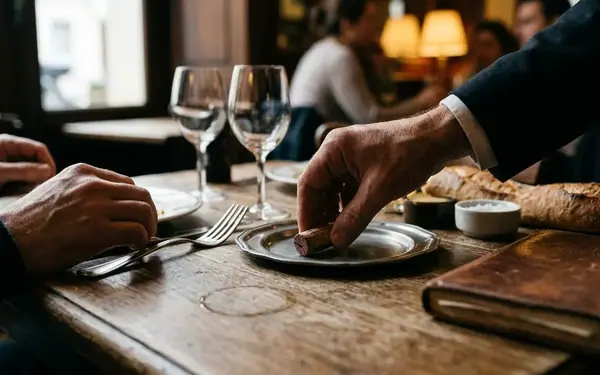
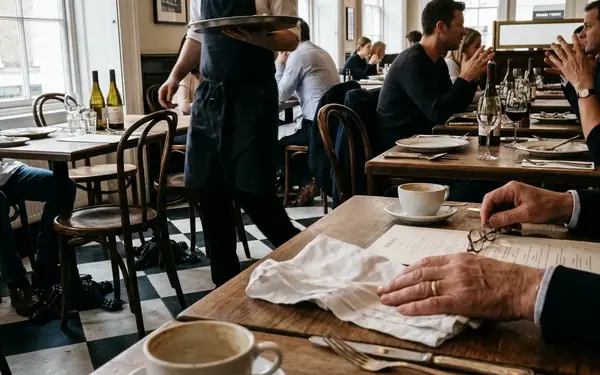
The dining room hums with the clatter of heavy silverware against porcelain. A diner reviews the spread across the white tablecloth: a personal order of duck confit, a companion's crisp roast chicken, and a shared side of roasted wild mushrooms. Bypassing the heavy Bordeaux blends, the diner catches the server's eye and requests a fresh, medium-bodied Pinot Noir, securing a wine that moves comfortably among all three plates.
Your Comment