
A Boston Table Settles Into Brasserie Time
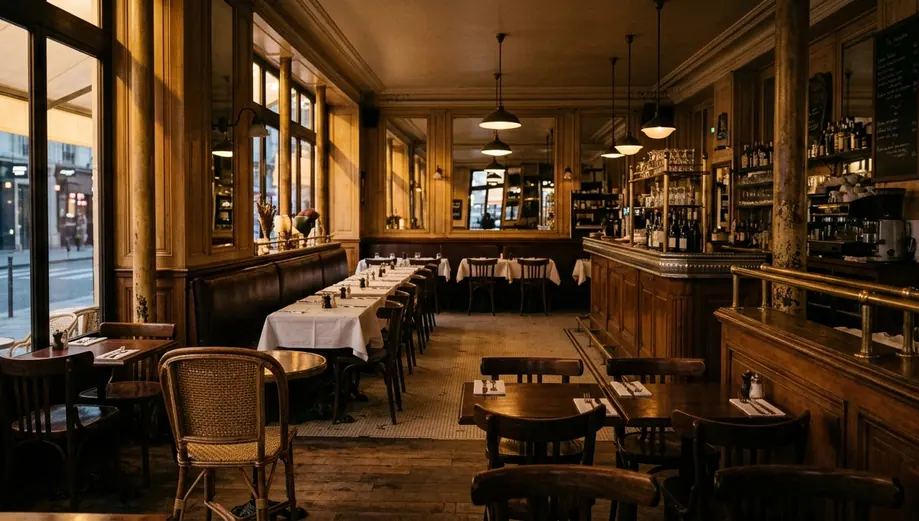
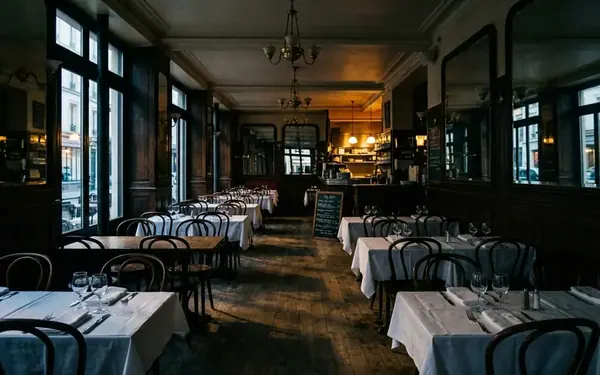
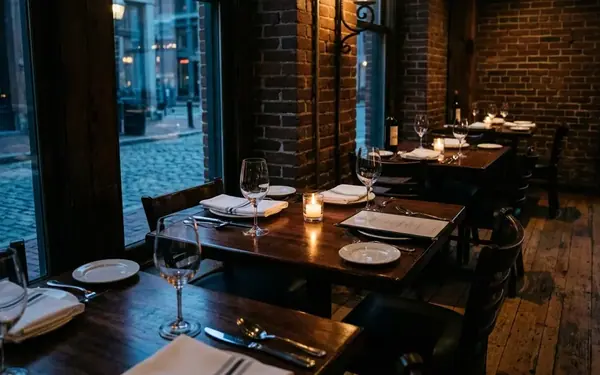
Dusk settles over Back Bay, and the dining room begins its nightly shift. Coats are draped over the backs of wooden chairs. Condensation forms on the outside of a chilled glass. A folded menu rests near the center of the table, untouched for the moment, while the glow of streetlights reflects off the windowpanes. The evening meal is already underway, long before anyone has spoken a word about entrées or side dishes.
Boston diners frequently arrive at a restaurant ready to execute a transaction. They sit down, scan the options, and prepare to order efficiently so the kitchen can get to work. A traditional French brasserie operates on a different frequency. The pleasure of this specific style of dining relies entirely on allowing distinct moments to unfold at their own pace. Front-of-house staff establish the evening's rhythm immediately by delaying the initial menu inquiry. The first table touch usually comes three or four minutes after seating. That brief window gives guests the physical space to settle into the banquette, shed their outerwear, and transition away from the urgency of the street.
During a standard dinner service window running from roughly five to ten in the evening, the dining room functions as a controlled environment designed to stretch time. The mechanics of the service exist to facilitate conversation, not just caloric intake. Understanding how to lean into this pacing turns a standard Tuesday night dinner into a restorative ritual.
The Apéritif as a Boundary Between Street and Table
The opening beverage serves a specific functional purpose. It creates a boundary between the workday and the evening ahead. Diners deliberately hold back their food selections while ordering this first round of drinks. The table uses the beverage arrival to anchor the conversation, establishing a 10 to 15-minute window dedicated solely to the apéritif phase.
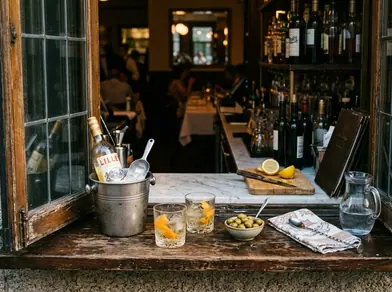
Service standards dictate specific volumes for these opening drinks to awaken the palate without overwhelming it. Pours for fortified wines generally run two to three ounces, while spritzes command a slightly larger four or five. These lighter, appetite-awakening drinks provide something to hold and sip while exchanging a few initial words.
Nonalcoholic participation fits naturally into this ritual. A bitter tonic or a botanical infusion accomplishes the exact same goal as a vermouth on ice. The defining feature of this phase is the deliberate pause. Looking at the menu happens casually, without the pressure of immediately committing to every course the moment water is poured into the glasses.
Mapping the Menu Across Temperature and Richness
Reading a brasserie menu requires looking at the entire progression of the meal. Guests map out the sequence of dishes by evaluating the temperature and fat content of the starters against the heavier braises or roasted proteins of the main selections. This planning phase runs in the ballpark of six to eight minutes, and usually lands on a two- or three-course progression per guest.
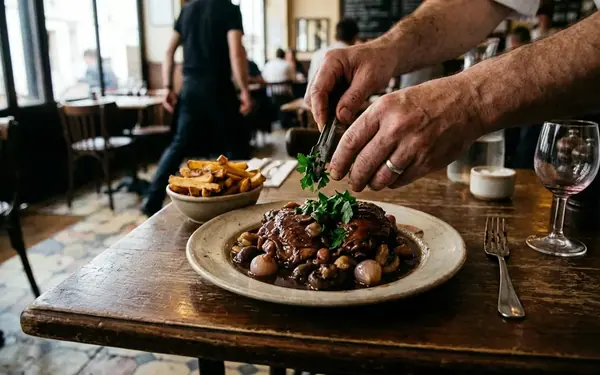
Consider the physical weight of the food. A crisp, acidic salad or a chilled seafood starter prepares the palate for a substantial, slow-cooked meat dish. Conversely, a rich, cream-based first course suggests a lighter, perhaps seafood-focused main. Evaluating the menu as a complete arc prevents palate fatigue halfway through the evening.
The kitchen relies on the table to build a balanced ticket. Ordering three heavy, cream-based dishes in succession guarantees a sluggish finish to the evening, regardless of how perfectly each individual plate is executed.
Diners who take the time to discuss their choices with the table often find natural harmonies. Someone ordering a bright, acidic starter might balance a dining companion's choice of a dense, earthy terrine, setting up a dynamic exchange of flavors if the table chooses to share tastes.
Bread Arrives to Accompany the Sauce
Bread service timing varies widely across the city. Some dining rooms drop baskets immediately with the water glasses, treating the bread as a tool to keep hungry guests occupied. Traditional setups wait until the first savory course arrives. The kitchen coordinates the bread drop to coincide with this exact moment, ensuring the bread acts as a vehicle for sauces.
The details of this custom are quite specific. Kitchens work with boules hovering around 400 to 500 grams, sliced into thick portions of roughly an inch and a half. Bread reaches the table at ambient room temperature, right around 70°F, preserving the contrast between the crisp crust and the soft, porous crumb. A torn piece of bread, a few crumbs scattered on the white tablecloth, and a final trace of sauce gathered from the edge of a plate define the look of a brasserie table in motion.
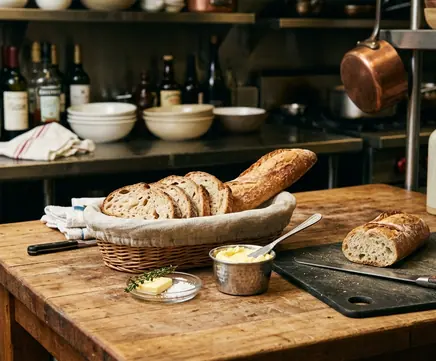
Taking modest pieces as the meal progresses preserves the natural rhythm of the evening. There are no elaborate rules to memorize. The bread simply remains on the table as a recurring companion to the savory courses, the cheese, and the ongoing conversation.
Aligning the Bottle with the Heaviest Plate
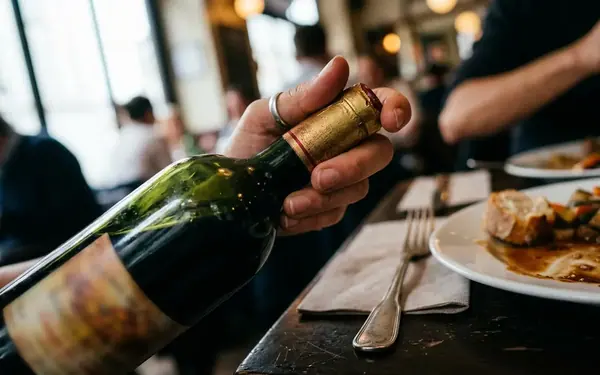
Selecting wine for the table requires practical harmony with the dishes, the number of diners, and the intended length of the meal. The table selects a bottle by communicating a specific price band and structural preference to the sommelier. This allows the staff to match the wine's acid and tannin profile to the heaviest dish ordered by the group.
A standard 750ml bottle yields five five-ounce pours. That volume naturally dictates the pacing of the beverage service across a multi-course meal. A table of two might stretch a single bottle from the starters through the main course, while a larger group might transition from a crisp white to a structured red as the heavier plates arrive.
Temperature plays a crucial role in how the wine interacts with the food. Cellar temperature reds are served at 55 to 60°F, keeping the alcohol from overpowering the delicate sauces. A flexible pairing approach works best. Consider acidity to cut through richer food, and rely on the body of the wine to stand up to the main course. When several diners order vastly different dishes, a versatile, medium-bodied option often provides the most reliable bridge across the table.
The Deliberate Gap Between Starters and Mains
A visual and conversational reset occurs when one course is cleared before the next arrives. The expeditor manages the flow of the meal by holding the main course tickets until the floor staff confirms that all starter plates have been completely cleared. Only then is the table reset with the appropriate cutlery for the upcoming dishes.
Understanding the Kitchen's Timing
Based on standard service sequencing, you can expect a 12 to 18-minute gap between clearing the starters and dropping the main courses. That includes a two to three-minute table maintenance window dedicated to crumbing the tablecloth and resetting the silverware. These pauses allow flavors to recede, water glasses to be adjusted, and conversation to continue without the table feeling crowded by incoming plates.
Diners with strict evening curtain times at nearby theaters must communicate this immediately upon sitting down. The kitchen will need to compress the standard pacing to fit a 65 to 75-minute window. Attempting to force a leisurely three-course pacing during a heavily booked 45-minute lunch turn results in frustrated staff and delayed departures. Relaxed pacing requires the right room and the right time constraints.
Shifting the Register for the Dessert Phase
Dessert brings a distinct change in register to the evening. It introduces sweetness, new textures, and a fresh round of conversation after the heavier savory courses have concluded. Servers present the dessert menus only after the savory plates, bread plates, and salt cellars have been completely removed from the table. This physical clearing signals a definitive shift in the meal's phase.
That transition usually arrives 45 minutes to an hour into the seating. The kitchen needs an eight- to twelve-minute head start for baked-to-order items like tartes, and that built-in delay provides another natural pause for the table to digest and recalibrate.
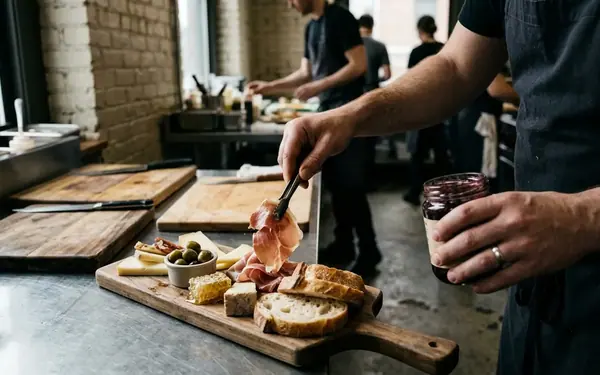
Sharing a single dessert offers a practical way to participate in this phase without overindulging. Recognizable brasserie choices—a chilled custard, a dense chocolate preparation, seasonal fruit, or a small selection of cheese—provide a satisfying conclusion. The goal is to linger over the final flavors, extending the communal aspect of the meal just a bit longer.
Espresso Pulls to Close the Evening
Coffee marks the final, unmistakable beat of the evening. The table settles completely after dessert, and the conversation gathers its last remaining threads. The final beverage order is pulled and served as a standalone beat after the dessert plates are cleared. This sequencing prevents the intense heat of the coffee from melting plated confections or interfering with the final bites of a delicate pastry.
The bar pulls espresso at one to two ounces, with extraction temperatures held between 195 and 205°F. This concentrated dose of heat and bitterness acts as a digestif, cutting through the lingering richness of the meal.
A small coffee extends the pleasure of the table without turning the closing moments into an indefinite occupation of the banquette. It provides a clear endpoint. Once the cups are empty, the check is settled, and the transition back out onto the Boston streets begins.
Protect the Opening Buffer
A properly paced three-course meal runs anywhere from an hour and a half to two hours. The success of that entire window hinges on how the table handles the very first interaction with the server. Ask for a pause before ordering food, and claim that opening 10 minutes exclusively for drinks and settling in. Setting this precedent dictates the pacing for the remainder of the evening, signaling to the staff that the table intends to experience the brasserie rhythm exactly as it was designed to be enjoyed.
Your Comment