
Setting the Evening Rhythm
Should tonight begin amid Back Bay’s polished avenues or along the South End’s brownstone-lined restaurant streets? Both neighborhoods support excellent dinners. They produce entirely different rhythms before and after the meal. Back Bay favors a polished, destination-oriented evening. The South End feels intimate, residential, and food-led. Peak dining transitions tend to fall between about 6:30 and 8:15 PM in both neighborhoods. The pacing diverges immediately upon arrival.
Back Bay dining rooms often seat crowds pushing 120 guests. South End venues frequently cap at 40 to 60 seats. This scale difference fundamentally alters the dining experience. A grand brasserie in Back Bay hums with the energy of a hundred simultaneous conversations. A South End bistro offers a concentrated, focused atmosphere. The choice dictates the entire trajectory of your night out. Boston dining guides frequently highlight the culinary merits of both areas, yet the true differentiator lies in the logistical and atmospheric flow of the evening.
Understanding these structural differences allows diners to match their expectations to the reality of the neighborhood. The expansive floors of Back Bay restaurants require a different style of service and pacing than the tight quarters of a South End dining room. Recognizing this distinction early in the planning process prevents a mismatch between the desired mood and the physical environment.
Architecture Dictates the Atmosphere
Back Bay avenues feature commercial setbacks of roughly 15 to 25 feet. This spacing accommodates larger patios and grand entrances, setting a formal stage before you even check your coat. The broad avenues, historic masonry, and retail corridors naturally encourage a dressed-up itinerary. You step off the wide pavement and into expansive dining rooms designed to impress. The physical environment shapes diner attire and pacing.
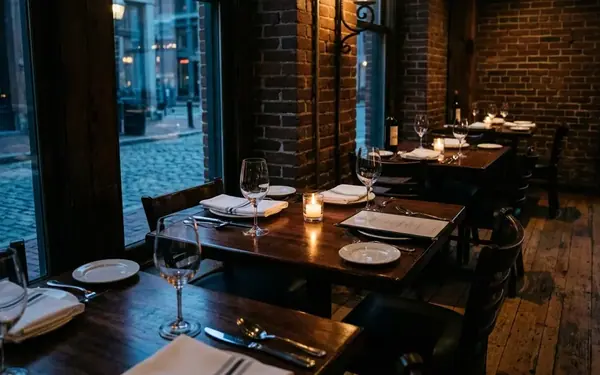
South End dining rooms frequently occupy garden-level or first-floor brownstone spaces with ceiling heights shy of 10 feet. These tighter acoustic environments create a lively, concentrated energy. The transition from residential blocks to lively restaurant pockets feels easy and unforced. The South End suits an evening that feels composed and relaxed. You feel the shift in your own posture as you navigate the different architectural scales. The grand scale of Back Bay demands a certain theatricality, while the intimate scale of the South End invites quiet conversation over thoughtful wine & pairings.
Acoustic Considerations in Historic Spaces
The lower ceilings in South End brownstones amplify ambient noise. Diners seeking a quiet, confidential environment for business discussions often find the expansive, acoustically treated rooms of Back Bay more suitable. The concentrated energy of a smaller room enhances a celebratory dinner among friends, while a sprawling dining hall provides the necessary distance for private conversations.
Navigating the Post-Dinner Stroll
Walking routes between Back Bay hotels and primary dining corridors generally run in the ballpark of a third to two-thirds of a mile. The relatively legible street grid connects smoothly with shopping, transit connections, and central Boston stops. This layout simplifies a visitor’s itinerary when dinner must link effortlessly to a hotel or a nearby lounge. The predictability of the grid removes friction from the evening's logistics.
Navigating between South End restaurant clusters typically means a 10- to 15-minute walk across residential blocks. Diners who enjoy walking between brownstone blocks treat the neighborhood itself as part of the evening. How far you are willing to walk after dinner often dictates the final stop of the night. Getting from the South End to central hubs usually means a rideshare of roughly 10 minutes or so during evening hours. The walk back to the car or the train becomes a crucial part of the night's pacing.
Transit Friction Factors
Back Bay offers immediate access to the city's main arteries. The South End requires a deliberate journey through quiet, tree-lined streets before rejoining the urban rush. Consider these logistical realities when planning the end of the night:
- Back Bay Routing: Direct, well-lit paths connecting major hotels and transit hubs facilitate quick departures.
- South End Routing: Meandering paths through residential streets require more time and navigation, extending the evening's footprint.
Securing the Right Table
Prime Friday night tables in Back Bay destination restaurants often require booking two to three weeks ahead. These occasion-oriented venues and hotel dining rooms reward meticulous planning. The cuisine mix here spans French brasseries, steakhouses, and international options. Securing a table for seasonal French cuisine in these high-demand corridors requires understanding these distinct booking rhythms. Back Bay demands foresight.
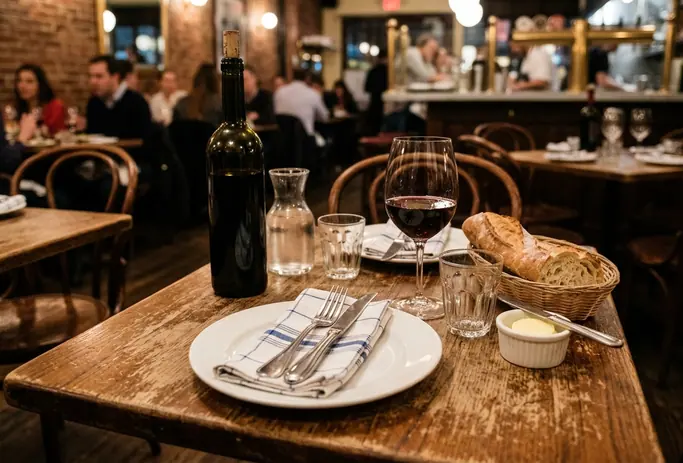
South End neighborhood spots frequently release patio or bar seating for walk-ins in the late afternoon, roughly between 4:30 and 5:30 PM. Relying on walk-in availability at popular neighborhood bistros is generally viable for parties of two arriving before 6:00 PM. Larger groups face extended waits during peak service hours. The South End associates strongly with independent, chef-driven rooms and varied neighborhood concepts. Kitchens in both neighborhoods usually shift to late-night or limited menus somewhere between 9:30 and 10:15 PM.
Walk-In Windows and Wait Times
The window for spontaneous dining in the South End closes rapidly after 6:00 PM. Early arrivals secure the coveted bar seats, leaving later walk-ins to navigate extended wait times.
Planning around these rough timeframes makes for a smoother entry into the dining room. Arriving at a quarter to six in the South End often yields a prime bar spot, while showing up half an hour later usually means a real wait. Back Bay's larger capacity absorbs walk-ins more readily, though prime tables remain locked behind advance reservations.
Aligning Location with Intent
Business and anniversary dinners in Back Bay typically run two to two and a half hours per reservation. Polished surroundings, predictable logistics, and a central meeting point make this the optimal choice for high-stakes meals. The expansive rooms provide the necessary space for formal service and extended courses. The environment supports the gravity of the occasion.
South End date-night itineraries often build in another 20 to 30 minutes for pre-dinner neighborhood walks. A smaller room and a brownstone-lined walk add immense value for evenings centered on conversation. Visitors staying near central attractions or Back Bay hotels benefit from minimizing transfers. The convenience of a short walk often outweighs the pursuit of a specific neighborhood mood. In the South End, the shift from residential quiet to dining room energy happens within a few steps of the door.
Matching the neighborhood to the specific dining occasions ensures the environment supports the goal of the evening. A celebratory dinner thrives in the expansive energy of Back Bay. A quiet catch-up flourishes in the cozy confines of a South End bistro. The physical space shapes the interaction at the table.
The Final Verdict on Venue
Does the evening need effortless central-city logistics, or should the neighborhood atmosphere become part of the meal? Choose Back Bay when timing, visitor convenience, and polished surroundings lead the decision. Choose the South End when the restaurant is the main event and the desired mood is intimate, residential, and exploratory.
For diners prioritizing the pure quality of the meal and the charm of the environment over sheer convenience, book a table in the South End. The concentrated energy of a 40-seat brownstone dining room delivers a more memorable culinary experience than the sprawling floors of central-city venues. The slight logistical friction of navigating residential streets pays off entirely once you settle into a smaller, chef-driven room.

Your Comment